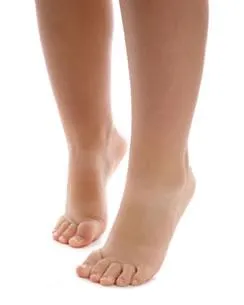
Why Do So Many Autistic People Toe Walk?
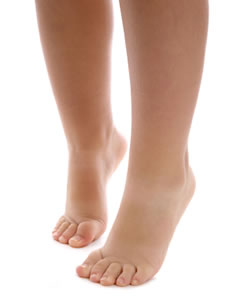
You have probably noticed it. Your child walks on their toes. Not sometimes. Most of the time. Maybe always.
You have mentioned it to the paediatrician. They said some children just do it. You have been told they will grow out of it. But they have not. And something tells you it is not just a quirky habit.
You are right to keep asking about it.
It Is More Common Than You Think
Toe walking shows up in a significant number of autistic children. Some research puts it at over 60 percent. It also appears regularly in children with sensory processing differences, ADHD and developmental delays, whether or not they have a formal diagnosis.
That number alone tells you something. When a pattern shows up that consistently in a particular group of children, it is not random. It is not just a phase. Something in the nervous system is driving it.
What Is Actually Happening
Most explanations for toe walking stop at the feet. Tight calf muscles. Short Achilles tendon. Poor balance. These things are real, but they are not the cause. They are what happens downstream when the underlying issue is not addressed.
The real starting point is the nervous system.
Children with sensitive or dysregulated nervous systems tend to run in a state of chronic low level alert. The sympathetic nervous system, the part responsible for fight, flight and freeze, stays switched on. The body stays braced. Ready for threat.
When the body is in that state, it changes how everything is organised. Including posture.
In a calm, regulated body the pelvis sits level. Weight is distributed evenly through the whole foot. The body is grounded.
In a body that is chronically braced, the pelvis tilts forward. This is called an anterior pelvic tilt. When that happens, weight shifts forward onto the balls of the feet. The heels come up. The child ends up on their toes, not because they chose to, but because that is where their postural system has landed.
The Neck Connection
This is the part that surprises most parents.
A significant driver of postural misalignment in children who toe walk is nerve tension in the neck. Not in the legs. Not in the feet. The neck.
It sounds counterintuitive. But the nervous system is one connected system, not a collection of separate parts. Tension at the top affects everything below it. Nerve tension through the cervical spine, the upper part of the neck, can alter muscle tone all the way down through the back, the hips, the legs and into the feet.
This is why stretching the calves rarely fixes toe walking long term. You are working on the end of the chain, not the beginning of it.
The tension needs to be addressed where it starts.
Primitive Reflexes Play a Role Too
There is another layer to this that most people never hear about.
Several primitive reflexes, the automatic movement patterns babies are born with that should switch off as the brain develops, have a direct influence on posture and muscle tone.
The Tonic Labyrinthine Reflex, or TLR, is one of the most relevant here. When this reflex stays active past the first year of life, it keeps the body in a posture that tilts the head and shifts weight forward. Toe walking is a natural consequence.
The Moro reflex, the startle response we write about elsewhere, also contributes. A child in chronic startle mode braces their whole body. That bracing pulls them forward and up onto their toes.
When you look at toe walking through the lens of retained reflexes, it stops looking like a random habit and starts making complete sense.
What Toe Walking Tells You
Toe walking is not just a movement pattern. It is information.
It tells you the nervous system is not fully regulated. It tells you the body is spending too much time in sympathetic mode. It tells you there may be unintegrated reflexes keeping the postural system stuck.
It also has consequences if it continues. Persistent toe walking puts strain on the hips, knees and lower back over time. It affects balance and coordination. It can contribute to clumsiness, difficulty with sport and physical activities, and discomfort that the child may not be able to articulate.
Some children develop compensatory patterns as they get older that are harder to unwind. Earlier is better.
What Helps
The most important thing to know is that toe walking is not fixed by working on the feet.
The approach that actually makes a lasting difference addresses the nervous system first. Regulation comes before movement. When the sympathetic system starts to calm down, posture shifts naturally. The pelvis levels out. The heels come back to the floor.
Alongside that, reflex integration work can clear the retained patterns that are keeping the body locked in that forward tilted posture. This is not stretching. It is not physiotherapy. It is specific, sequential work that tells the nervous system it is safe to organise differently.
Postural correction work and cranial nerve activation also play a role, particularly when there is tension through the neck and upper spine driving the pattern from above.
None of this is quick. But it is also not complicated once you understand what you are working with.
What You Can Do Right Now
Watch your child when they are relaxed compared to when they are stressed, overwhelmed or in a new environment. Most parents notice the toe walking gets significantly worse when the child is dysregulated and better when they are calm and at home.
That is the nervous system telling you exactly what is going on.
If the toe walking increases with stress, decreases with calm, and has been present for more than a year without resolving, it is worth getting a proper assessment rather than waiting and watching.
Where to Start
If your child toe walks and you want to understand why, our free Primitive Reflex Integration course is a good starting point. It will help you see the connection between the nervous system, retained reflexes and movement patterns like this one.
If you want a full picture, our Foundation Day in Mill Hill gives you a complete assessment of your child's nervous system, posture and reflex profile, with a clear plan for what to do next.
Toe walking is the body asking for help. It is worth listening to it.
Here’s the good news: by correcting posture and addressing the underlying nervous system stress, we can make a big difference in movement patterns—helping kids overcome toe walking and thrive!
Ready to take the first step? Contact us to learn about our posture correction program and how we can help. Visit www.hopefulneuron.com today!
#ToeWalkingSupport #AutismAwareness #PostureMatters #HelpingKidsThrive
