Why Your Child Still Has Meltdowns After Years of Therapy
You have tried. Genuinely tried. The waiting lists. The appointments. The strategies pinned to the fridge. The therapy sessions you drove across town for every week.
And your child is still falling apart.
Not occasionally. Regularly. Over things that seem so small to everyone else. And you are starting to wonder if something has been missed all along.
In most cases, it has.
The Thing Nobody Checked
When a child keeps melting down despite years of support, everyone looks at the same things. Triggers. Coping strategies. Sensory diets. Parenting approaches.
What almost nobody looks at is what is happening inside the nervous system itself.
Behaviour is always the last thing to show up. It is the smoke. The fire is somewhere else entirely.
One of the most common things we find when we work with families who have been around the block is a group of early movement patterns that never switched off. They are called primitive reflexes. And most parents have never heard of them.
What They Are
Every baby is born with a set of automatic reflexes. The startle response. The rooting reflex. The grip. These are not learned. They are hardwired into the nervous system from birth.
In the first one to two years of life, as the brain develops, these reflexes are supposed to integrate. They fade into the background. The higher brain takes over. The child moves from being driven by survival responses to being able to think, regulate and learn.
Sometimes that process does not finish.
The reflexes stay switched on. And when that happens, the nervous system stays in permanent alert mode. Not because anything is wrong with the child. But because the body never got the signal that it was safe to stand down.
Living like that is exhausting. For them and for you.
Why the Meltdowns Keep Coming
The reflex we see most often in children who cannot regulate is the Moro reflex. This is the newborn startle reflex. In a baby it looks like flinging the arms wide in response to a sudden sound or movement. It should integrate by around four months.
When it does not, the child carries it into childhood. Into school. Into family dinners and birthday parties and Tuesday mornings when the routine changes slightly.
Everything feels like a threat. Loud noises. Unexpected touch. Transitions. Eye contact. The body reacts before the brain has a chance to catch up.
This is why the meltdowns look so out of proportion. Because from inside your child's nervous system, they are not out of proportion at all. The alarm is genuinely going off.
Therapy that teaches coping strategies is not wrong. But it is working on the output without touching the input. You can teach a child to breathe through it. But if the reflex is still firing, the alarm keeps going off.
What to Look For
You do not need a clinical report to start noticing the signs. These are things you can see at home right now.
Your child overreacts to sudden sounds, touch or movement. They struggle to use both sides of the body together, avoiding crossing the middle of their body. Their balance is poor. They cannot filter background noise. Their emotional reactions arrive fast and feel completely disconnected from what actually happened.
None of these things alone confirms a retained reflex. But if several of them are familiar, the nervous system is telling you something.
You Are Not at the End of the Road
If your child has had years of therapy and the meltdowns are still happening, that is not a sign that nothing will work. It usually means the work has been aimed at the wrong level.
The nervous system can change. We see it with families every week, children who had been written off as just highly sensitive or just wired this way, who shifted significantly once the reflex work started.
If you want to understand whether this is part of what is happening for your child, our free Primitive Reflex Integration course is the place to start. It will show you exactly what to look for and what it means.
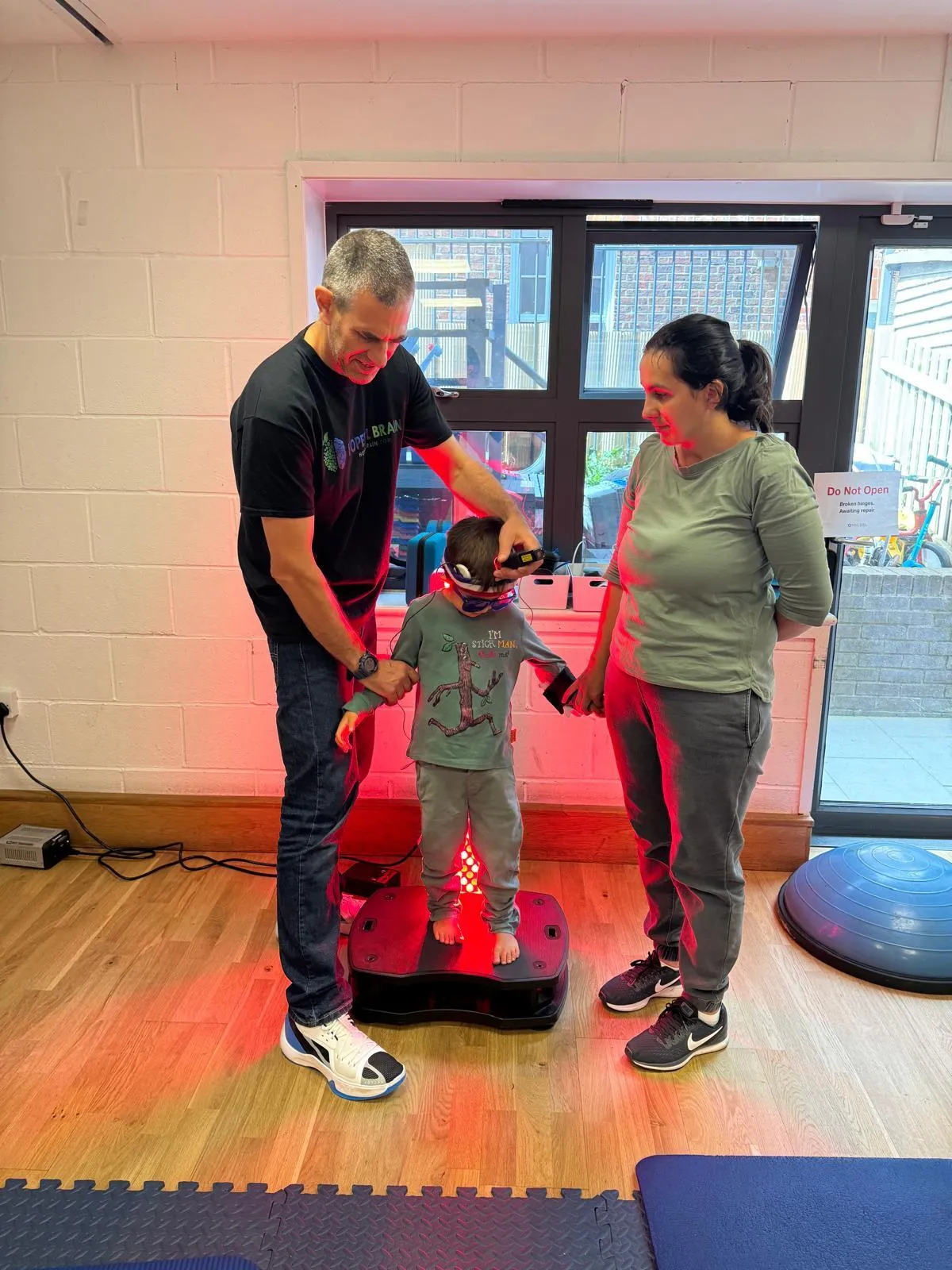
Or if you want a proper assessment, our Foundation Day in Mill Hill gives you a full picture of your child's nervous system and a clear plan for what comes next.
You have not run out of options. You just have not been shown the right door yet.
