
How to Help a Child with ADHD, Autism & Learning Difficulties: Help Without Medication | Hopeful Neuron
📍 Based in Mill Hill, London · Supporting families worldwide remotely Book a free call →
Research & Science

How to help your child with ADHD, autism & learning difficulties.
Without medication.

If your child struggles to focus, has frequent meltdowns, finds learning exhausting, or can't seem to sit still — the research shows there is often a neurological reason. Discover the drug-free, brain-based approaches we use at Hopeful Neuron, and the peer-reviewed science behind each one.

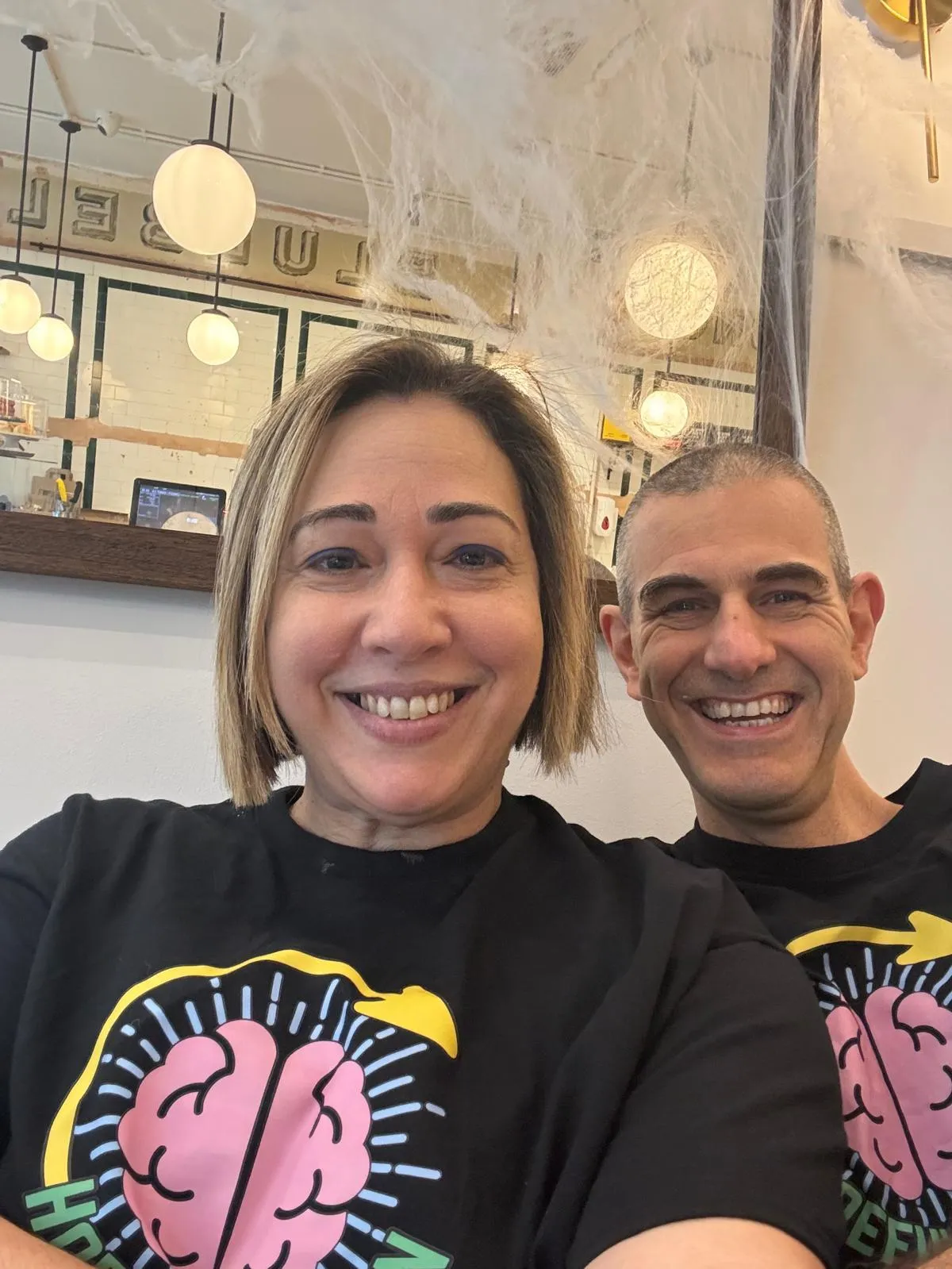
Adi and Dana, founders of Hopeful Neuron, Melillo Method certified practitioners
🧠
30+ Years of Research Melillo Method & neuroscience
✅ Melillo Method Certified
🔬 Evidence Informed Tools
💊 Drug Free and Non Invasive
👪 Parent Training Included
🌍 London Clinic and Remote Support
🧠 30+ Years of Research
🏅 Certified Posturologists
💚 Supporting Families Worldwide
✅ Melillo Method Certified
🔬 Evidence Informed Tools
💊 Drug Free and Non Invasive
👪 Parent Training Included
🌍 London Clinic and Remote Support
🧠 30+ Years of Research
🏅 Certified Posturologists
💚 Supporting Families Worldwide
Why Your Child Struggles

Why does my child have meltdowns, poor focus, and learning difficulties?

If your child can't focus at school, struggles to sit still, has frequent emotional outbursts, or finds learning exhausting — it is rarely about effort or attitude. Many children are doing their absolute best, but their nervous system is still reacting as if it is under threat. When this happens, focus, emotional regulation, balance, and learning all become far harder than they should be.

One of the most overlooked causes is retained primitive reflexes. These are early movement patterns that should naturally switch off in the first year of life. When they remain active beyond infancy, research links them to ADHD symptoms, sensory processing difficulties, dyslexia, dyspraxia, poor coordination, emotional dysregulation, and learning challenges. Up to 85% of children diagnosed with learning or behavioural problems show evidence of retained primitive reflexes. This is where we start.

  • Addresses the root cause of focus, behaviour and learning difficulties
  • Helps children who struggle with sensory overload and dysregulation
  • Supports children on the autism spectrum, with ADHD, dyslexia and dyspraxia
  • Simple daily movements that fit into real family life
  • Parents are fully trained — you won't be left to figure it out alone

"Before working on behaviour, learning, or emotions — we start with the body and nervous system. Because that's where the science points."

Child doing movement exercises for primitive reflex integration as part of the Melillo Method brain training programme
Drug Free Research Backed Tools

The drug-free tools we use to help children with ADHD, autism & sensory difficulties

Every approach in our programmes has a peer-reviewed research basis. Here is what each tool does, why it helps, and links to the evidence.

Dr Robert Melillo, creator of the Melillo Method for ADHD, autism and learning differences
⭐ Foundation of Our Approach
01 · Melillo Method

Dr. Melillo Method

Dr. Robert Melillo is a world-renowned expert in childhood neurological disorders and brain development, with over 30 years of experience helping children with autism, ADHD, dyslexia, and other learning challenges.

His method focuses on correcting imbalances between the brain's two hemispheres — a root cause he describes as Functional Disconnection Syndrome. By targeting the underactive hemisphere through sensory-motor exercises and reflex integration, children show measurable improvements in focus, behaviour, coordination, and learning.

Dr. Melillo has authored several books including Disconnected Kids and Reconnected Kids, widely used by parents and practitioners worldwide.
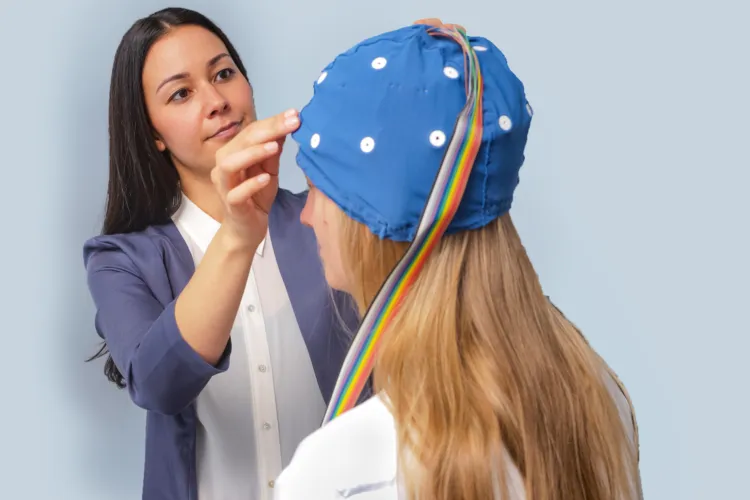
Neurofeedback EEG biofeedback device for brainwave training therapy for children with ADHD
02 · Neurofeedback

NeuroFeedback Therapy

Neurofeedback (EEG biofeedback) is a non-invasive, drug-free approach that helps individuals learn to regulate their own brain function.

During a session, small sensors placed on the scalp monitor brainwave activity in real time. This information is fed back through visual or auditory signals, allowing the brain to recognise and modify its own patterns. Over time, the brain learns to self-regulate — improving focus, emotional control, and behaviour without any medication.

Neurofeedback is one of the most well-studied non-invasive approaches for ADHD, with research showing effects comparable to medication but without the side effects.

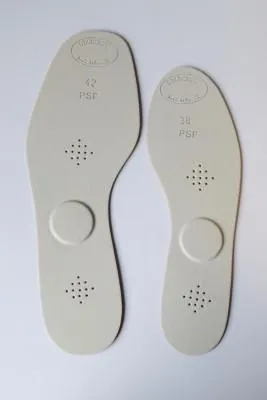
Posture correction insoles by Bernard Bricot using galvanic proprioceptor stimulation for postural balance in children
03 · Posturology

Posture Correction Insoles

Designed by orthopaedic surgeon Bernard Bricot, our Posture Correction Insoles address postural imbalances that place unnecessary load on the nervous system.

They use galvanic technology and magnets to stimulate proprioceptors in the feet — the sensory receptors that feed information about body position directly into the brain. When the body's postural system is better aligned, the brain doesn't have to work as hard just to hold itself upright, freeing up cognitive resources for focus, learning, and regulation.

They are non-invasive and can provide meaningful support without medication or surgery.

NeuroSolution cold laser device for low-level laser light therapy
04 · Light Therapy

NeuroSolution Laser

NeuroSolution Laser uses advanced light-based technology to deliver gentle, non-invasive support at a cellular level. By delivering precise light energy, it may help encourage natural cellular activity and support overall well-being.

It is commonly used as part of programmes aimed at supporting physical function, comfort, and recovery — including for children and adults with developmental differences, musculoskeletal challenges, or general aches.

All devices are used at half the current intensity typically applied in research settings, ensuring a gentle and safe experience for children of all ages.

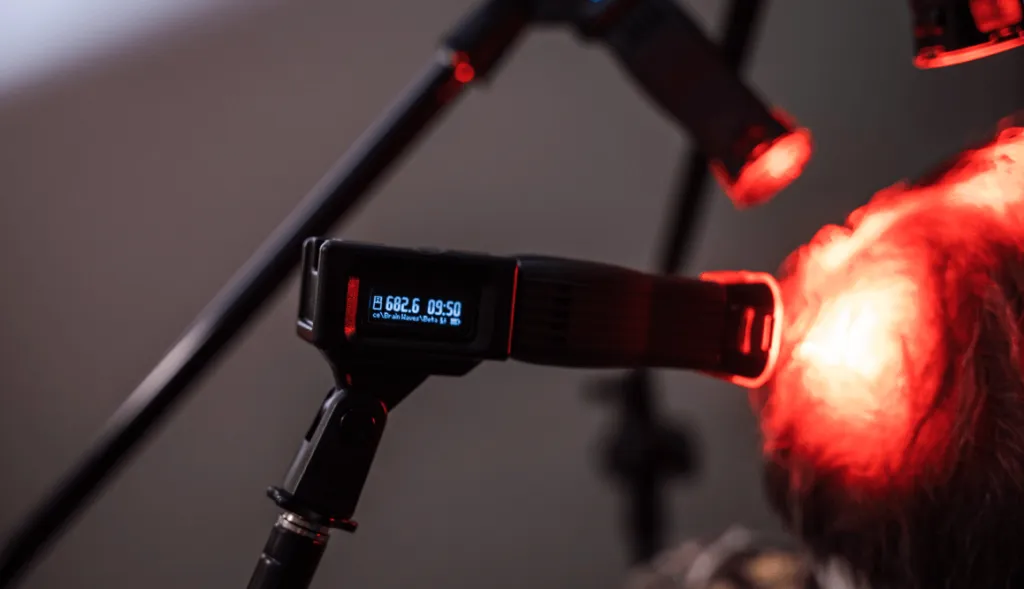
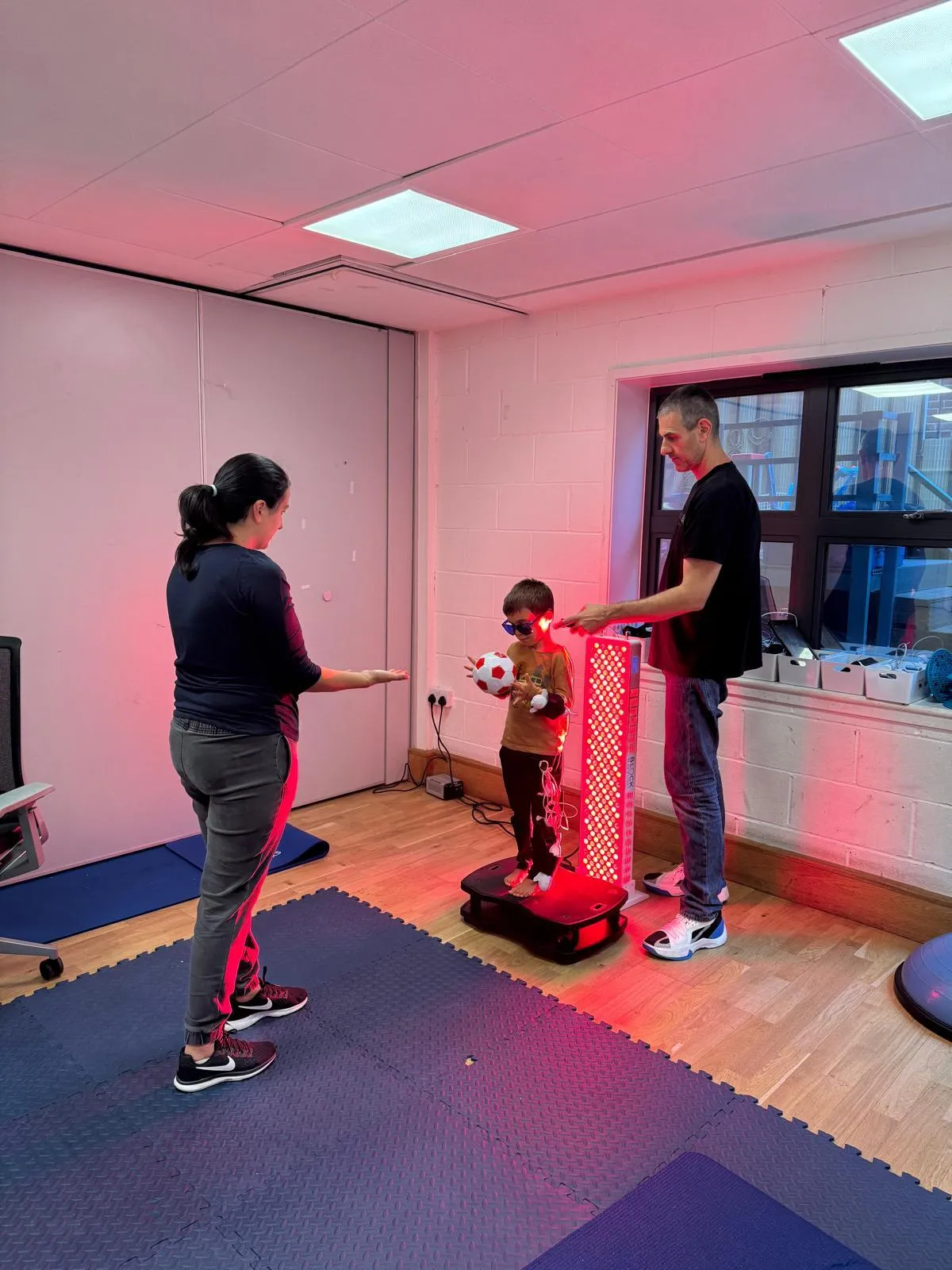
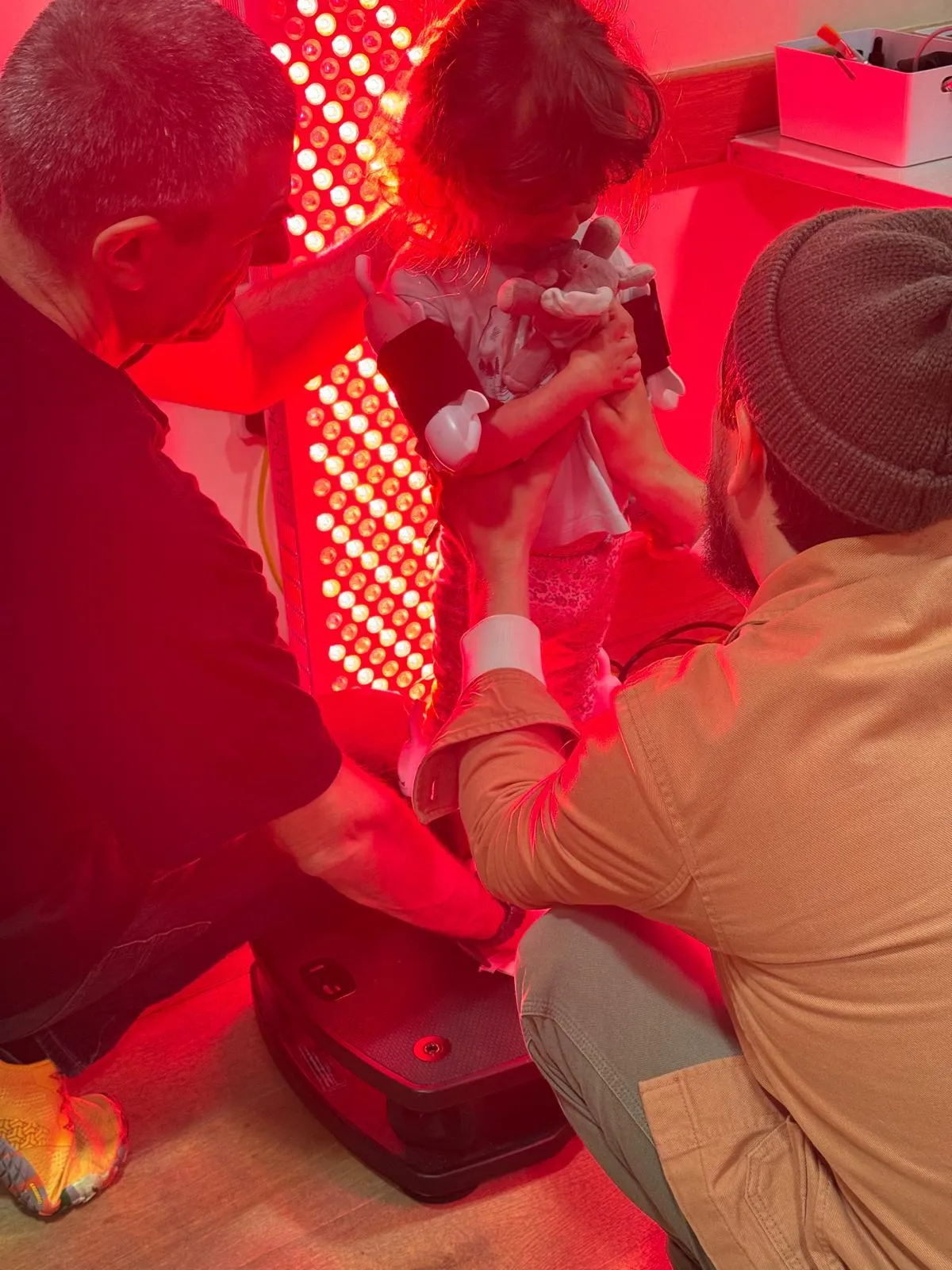
Red LED light therapy panel for gentle red light support for cellular activity
05 · Red Light Support

Red Light Support

Red Light Support involves gentle exposure to red LED light wavelengths that can reach the cells and may encourage natural cellular activity and energy production.

Research into photobiomodulation and neurodevelopmental conditions is actively growing. A 2024 narrative review found that transcranial photobiomodulation shows promising therapeutic effects across ASD, ADHD, and Down syndrome. A separate clinical study in children aged 2–7 with ASD found reductions in symptom severity and changes in measurable brain activity after light therapy sessions.

As with all our tools, it is gentle, non-invasive, and used at conservative intensities as part of a broader developmental programme, not as a standalone treatment.

NeuroSage software for visual and vestibular system stimulation for balance, coordination, and focus in children
06 · Vestibular & Visual

NeuroSage

NeuroSage is a software application that engages the visual and vestibular systems simultaneously — two sensory pathways closely linked to attention, balance, and cognitive development.

It uses light and sound frequencies to provide gentle sensory stimulation for the eyes and ears, supporting activities that may help with balance, coordination, and muscle function.

Research published in PMC found that vestibular stimulation proved beneficial for children with NDDs, resulting in improvements in learning, better cognitive skills, increased stability, and heightened attention. A randomised controlled trial in children with ADHD found vestibular therapy significantly improved motor planning, attention, balance, and response inhibition.

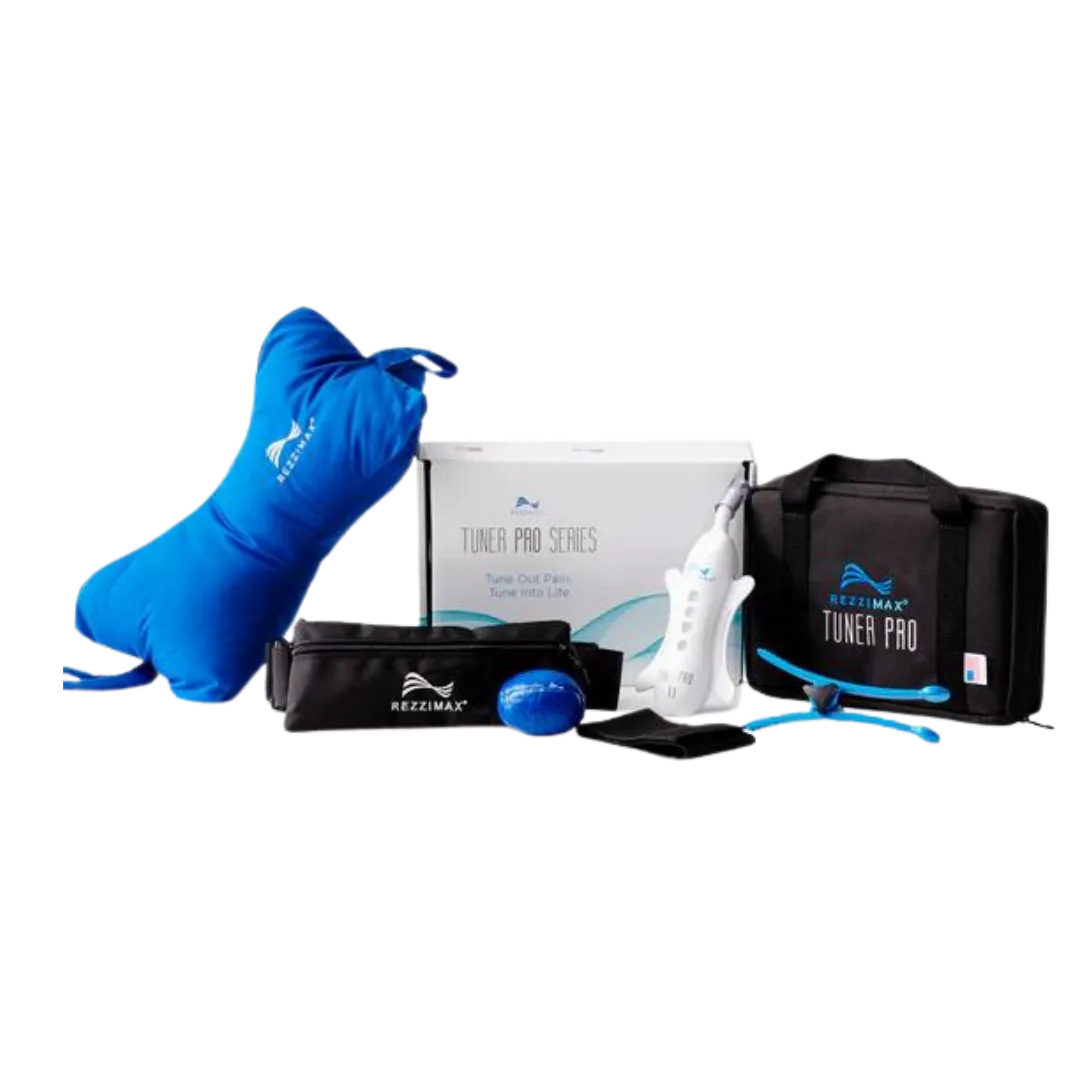
Rezzimax handheld device for vagus nerve and central nervous system stimulation
07 · Vagus Nerve

Rezzimax

Rezzimax® is the world-renowned, non-invasive neurological device for restimulating the vagus nerve and central nervous system — responsible for the proper function of digestion, heart rate, and the stress response.

A small, powerful handheld device, it produces stimulation through variable vibration frequencies, allowing for movement activation and sensation. It is particularly useful for children who are dysregulated, anxious, or struggling with sensory processing, as vagal tone is closely linked to the ability to calm down and feel safe.

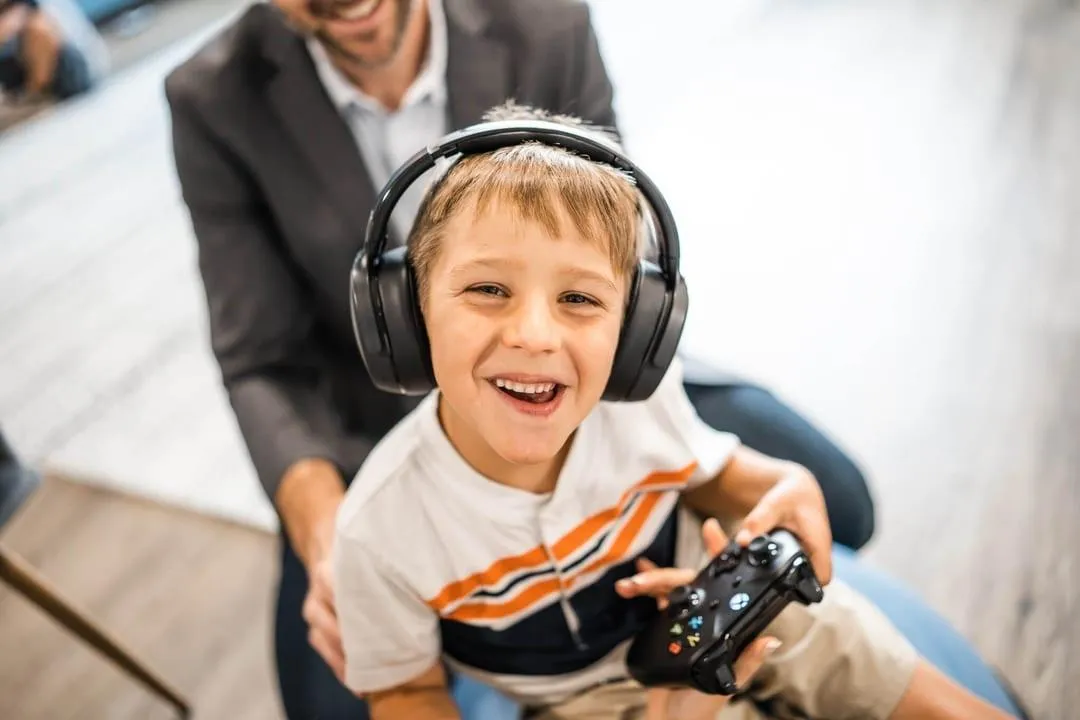
BrainTap headset using light and sound brain fitness technology for focus, relaxation, and neural pathway support
08 · Brain Fitness

Brain Tap

BrainTap is a portable headset that combines light, sound, and resonance with progressive stress-management techniques to revitalise brain fitness and well-being.

It is designed to activate the brain's peak potential and tap into different neural pathways for a more balanced outlook — supporting focus, sleep, and emotional regulation. For children who struggle with anxiety, attention, or sleep difficulties, BrainTap offers a gentle, calming experience that the brain responds to positively over time.

It can also help relieve chronic discomfort without the need for expensive equipment.

What Parents Notice

What changes for children with ADHD & autism after working with us

These are the changes families tell us about most often — in their child, and in the whole family.

🎯

Better focus & attention

Children stay on task, follow instructions, and engage with learning. No medication needed.

😌

Calmer, fewer meltdowns

Fewer big emotional reactions. Parents notice calmer mornings and easier transitions.

🗣️

Clearer speech & communication

Many children show improvements in speech clarity, vocabulary, and self-expression.

⚖️

Improved balance & coordination

Motor skills, posture, and coordination improve as primitive reflexes integrate.

📚

Learning feels easier

When neural foundations are in place, academic tasks become less exhausting for everyone.

🌙

Better sleep & settling

Nervous system regulation supports sleep quality. Many families report lasting improvements.

Questions Parents Google at Midnight

You searched for this.
Here are the answers.

Every question below is one real parents type into Google when they're worried about their child. If yours isn't here, book a free call. No jargon, no pressure, just genuine answers.

Book a Free Call
Common signs in children include: difficulty staying focused on tasks, acting before thinking, restlessness and inability to sit still, losing things constantly, forgetting instructions, difficulty waiting their turn, and emotional outbursts that seem disproportionate. That said, many of these signs overlap with other neurological issues, including retained primitive reflexes, sensory processing difficulties, and hemispheric brain imbalance. A formal ADHD diagnosis is useful. Addressing the underlying neurology often makes a profound difference regardless of whether a label is in place.
Signs of autism that parents often search about include: strong preference for routines and difficulty with changes, sensitivity to sounds, textures, or lights, delayed or unusual speech patterns, difficulty with social interactions and reading facial expressions, repetitive movements or behaviours, and intense focused interests. Girls are often diagnosed later because they mask their difficulties more effectively. Many families find that working on the nervous system and sensory processing simultaneously produces meaningful change while they wait for a diagnosis.
It is not bad parenting. Frequent meltdowns almost always indicate a dysregulated nervous system, not a badly behaved child or a parent who is doing something wrong. When the brain's two hemispheres are out of balance, or when primitive reflexes remain active beyond infancy, emotional regulation becomes genuinely very difficult. The nervous system is in a near-constant state of threat response, and the child simply cannot self-regulate the way other children can. This is a neurological issue, not a behavioural or parenting one. Addressing the root cause, rather than managing the behaviour on the surface, is what produces lasting change.
Poor focus in children is frequently driven by retained primitive reflexes, hemispheric brain imbalance, vestibular system underdevelopment, or chronic nervous system dysregulation — not a lack of effort or willpower. Drug-free approaches that research supports include: primitive reflex integration exercises (the Melillo Method), neurofeedback therapy, vestibular stimulation, posturology, and nervous system regulation techniques. Many families notice meaningful improvements in focus and attention within weeks, alongside improvements in sleep and emotional regulation.
Primitive reflexes are automatic movement patterns babies are born with to help them survive and develop in the first year of life. They should naturally integrate (switch off) as the nervous system matures. When they don't, they can cause a wide range of difficulties: ADHD-like attention and impulse problems, sensory overload, anxiety, poor coordination, messy handwriting, difficulty reading, emotional dysregulation, and sleep problems. Research links retained reflexes to up to 85% of children with learning and behavioural diagnoses.
Dyslexia and dyspraxia are real, recognised conditions, but they are descriptions of symptoms, not explanations of cause. Both have strong links to retained primitive reflexes and underdeveloped sensory processing systems. For example, the ATNR reflex, when retained, directly interferes with the eye tracking needed for reading and writing. The vestibular system, when underdeveloped, affects balance, coordination, and the ability to sequence movements. By working on the neurological foundations, many children find reading, writing, and motor tasks become significantly easier.
OT, speech therapy and ABA are all valuable and we actively encourage families to continue with them. The key difference is that those therapies work on specific skills and behaviours. Our approach works on the underlying neurology that makes those skills difficult in the first place: hemispheric brain imbalance, retained primitive reflexes, and nervous system dysregulation. Think of it as repairing the foundations rather than patching the walls. Many families tell us that after starting our programme, they see significantly faster progress in their existing therapies too.
Yes, and many of the families we work with are on medication. Our programme works well alongside it and does not interfere with it. Some families find that as their child's brain becomes better regulated, they are able to have a conversation with their prescribing doctor about slowly adjusting medication over time. We never advise changing medication ourselves. That decision remains entirely with your medical team.
Many families notice meaningful changes in sleep, emotional regulation, and focus within the first two to four weeks. More significant academic, social, and behavioural shifts typically build over 3–6 months of consistent daily home practice. These are not quick fixes — they are lasting neurological changes. Our intensive programme is delivered from our clinic in Mill Hill, London, but we also work with families worldwide through fully remote programmes. The daily exercises are done at home regardless of location.
For Parents Doing Their Research

Natural help for children with ADHD, autism & learning difficulties in the UK

If you've landed on this page, you're probably a parent who has spent a lot of time searching. Searching for why your child struggles to focus, why they have meltdowns that seem to come from nowhere, why school is so exhausting for them, or why nothing seems to help for long. You might have tried behaviour charts, dietary changes, supplements, even medication, and still feel like you're missing a piece of the puzzle.

At Hopeful Neuron, we work with children who have a diagnosis of ADHD, autism, dyslexia, dyspraxia, or sensory processing disorder, as well as many children who are still waiting for a diagnosis, or whose struggles don't fit neatly into any single label. What they often share is a nervous system that hasn't fully matured — one that is still running on primitive reflex patterns that should have switched off in the first year of life.

Our approach is drug-free and non-invasive. It is based on the work of Dr Robert Melillo, a leading neuroscientist whose research into hemispheric brain imbalance and neurodevelopmental disorders spans three decades. We combine the Melillo Method with neurofeedback therapy, vestibular stimulation, posturology, and a range of carefully selected evidence-based tools, all explained in detail on this page.

We are based in Mill Hill, London, and work with families from across the UK and internationally through remote programmes. If you are looking for natural ADHD treatment for children in London, neurofeedback for kids in the UK, or simply a way to help your child that goes beyond symptom management — we would love to talk with you.

Ready to Start?

Your child's brain is ready to change.
So are we. 💚

Book a free 15 minute Intensive Fit Call and we'll help you understand whether our brain-based programme is the right fit for your child. No pressure, no jargon.