Sensory and Calming Tools for Children with Autism and ADHD | Hopeful Neuron

Sensory and calming tools we’ve used with children, and what the evidence shows.

What each tool is for and how strong the evidence is, for children with autism, ADHD and sensory processing differences.

Start here

If you only look at three tools, make it these. We can’t promise any tool will help your child, so each one shows how strong the evidence is.

Rezzimax vagus vibration wellness tool

Most popular with our families

Rezzimax Vagus Vibration Tool

Good for: Bedtime, transitions and calming down

Evidence: very limited · Code works

Read more

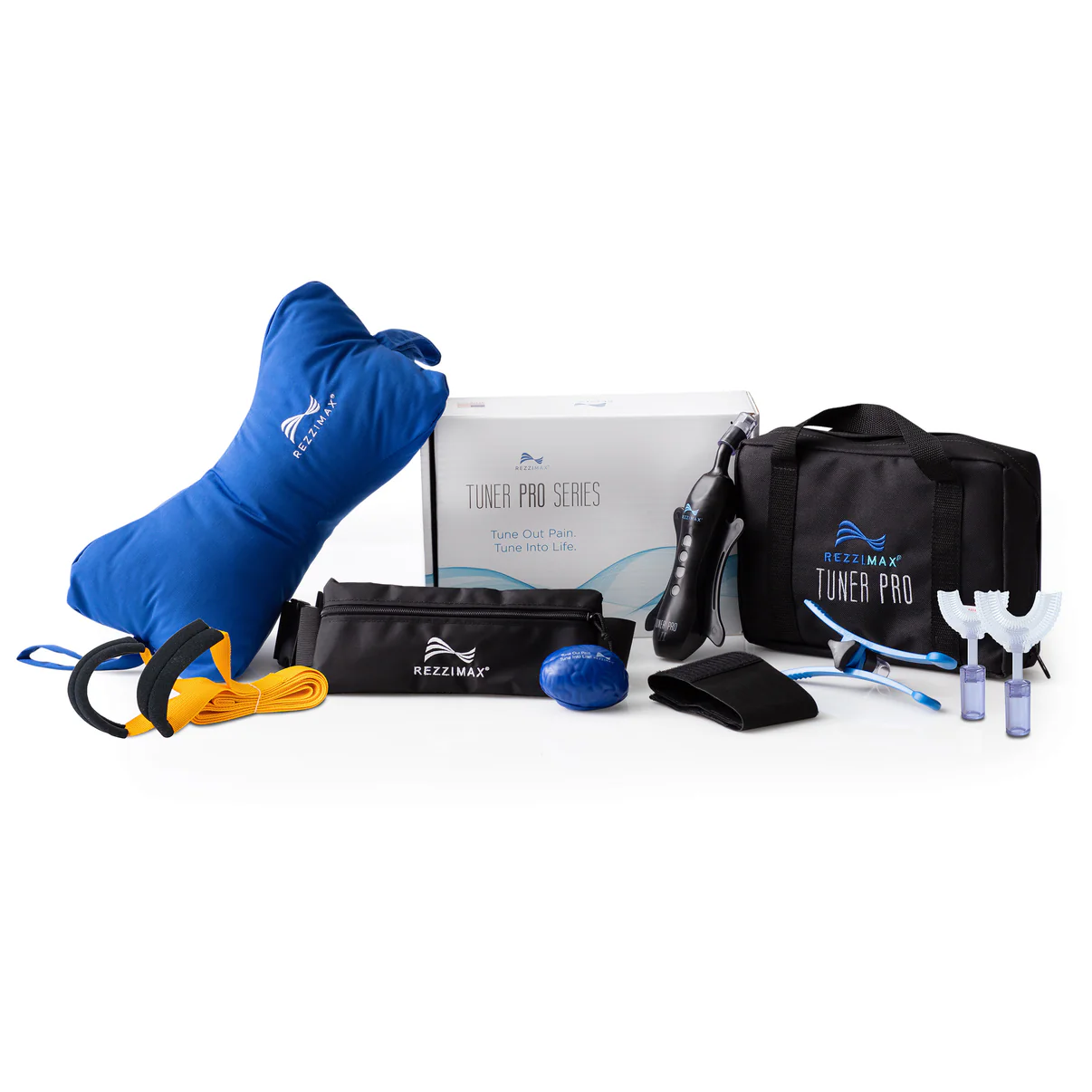
A handheld device that uses variable vibration on and around the neck, aimed at the vagus nerve pathway. We use it with children who find transitions hard, resist settling for sleep, or have frequent emotional outbursts, alongside other regulation work.
Get it with our code →
Child posture and coordination programme

Made by us

Hopeful Neuron Posture and Coordination Programme

Good for: Slumping, clumsiness and poor balance

Read more

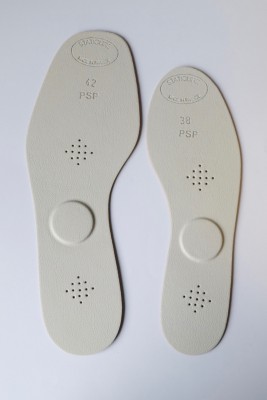
Our own programme for children with poor balance, posture difficulties or toe walking. See our Posture Wellness page for what’s involved.

See the programme →
BlazePod light pods reaction training for children

Kids think it’s a game

BlazePods, Reaction Light Training

Good for: Coordination and reaction time

Evidence: general fitness tool · Code works

Read more

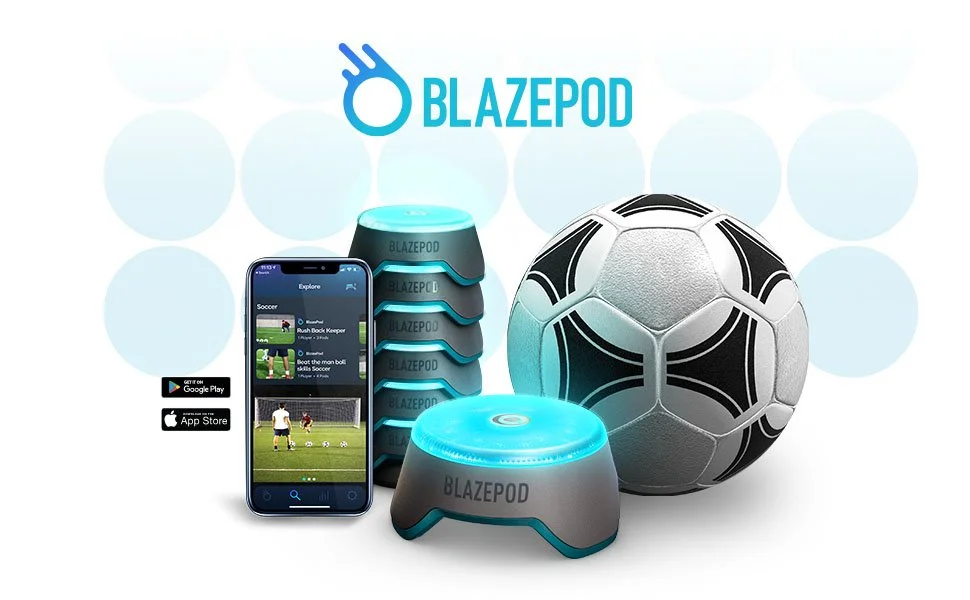
Light up pods that a child taps as quickly as possible. It's designed as a game, and some children with ADHD or coordination difficulties enjoy practising reaction time, visual tracking and moving both sides of the body together. Whether it helps with focus more broadly isn't established.

Get it with our code →

Calming and sleep

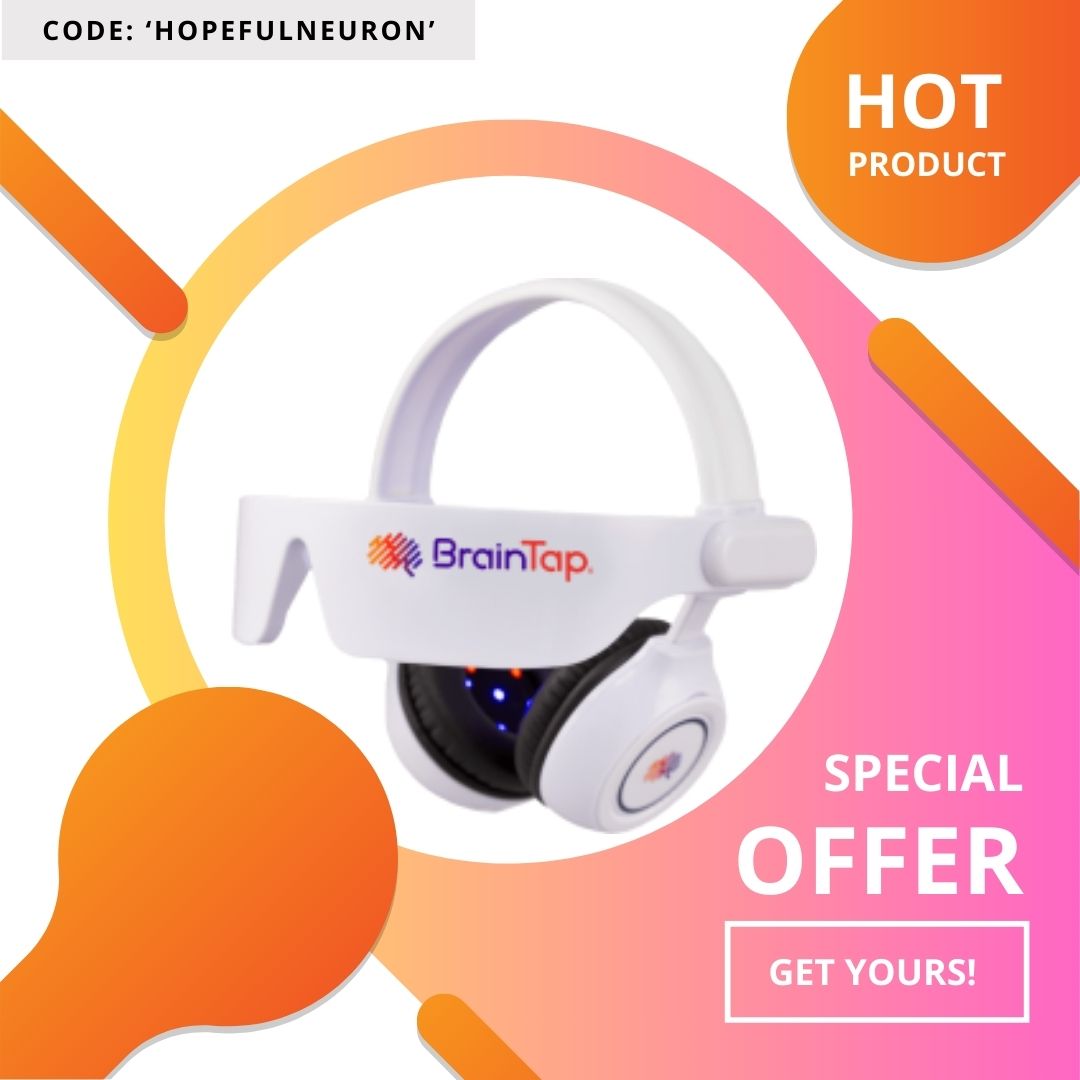
BrainTap headset for light and sound relaxation

BrainTap, Relaxation Headset

Winding down and sleep routines

Evidence: manufacturer only · Code works

Read more

BrainTap combines light and guided audio, and is intended as a relaxation and sleep support tool rather than a treatment for any condition. Some children who find it hard to switch off from a busy or anxious state may find it calming. We can't promise this.

View →
Red light therapy panel for home use

BlockBlueLight, Red Light Panels

A short evening wind down routine

Evidence: early stage · See link for current offer

Read more

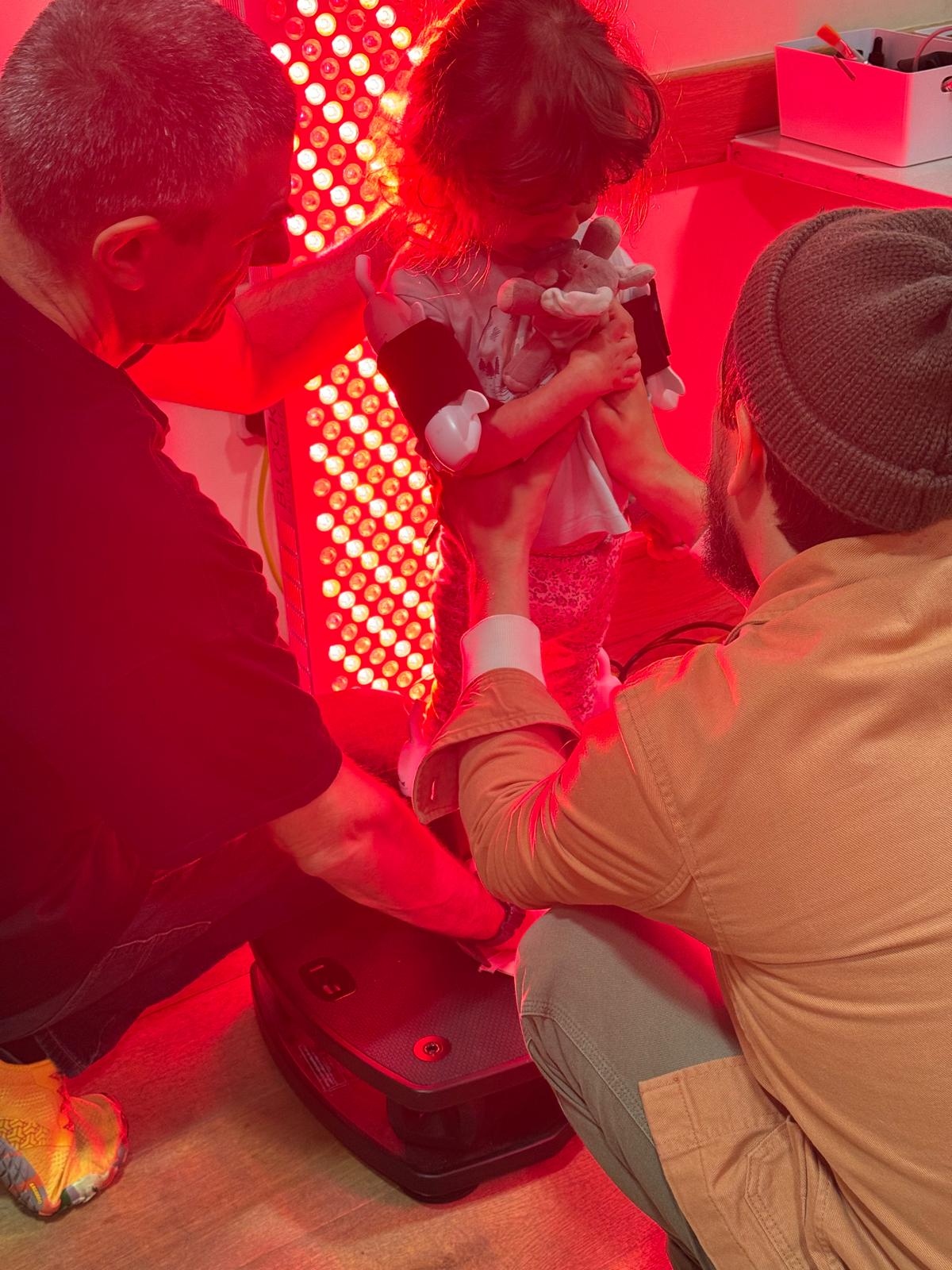
Red light (photobiomodulation) is thought by some to support cellular energy and wind down routines. We use these panels briefly in the evening alongside other sleep support. Research on red light for children's sleep or nervous system health is early and limited.

View →
Whole body vibration plate for balance training

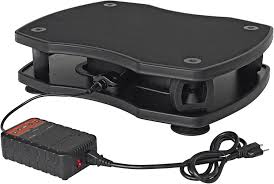
Vibration Plate for Balance and Sensory Input

Children who seek movement, and balance

Evidence: limited in children · Code works

Read more

Standing on a vibrating plate gives strong input to the muscles and joints. Some families find a few minutes helps a sensory seeking child settle before homework, though we can't promise this, and it isn't suitable for every child.

View →

Movement and body awareness

TENS unit muscle stimulator

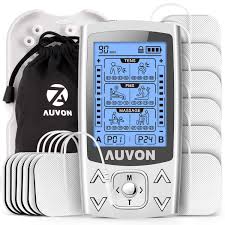
AUVON TENS Unit, Muscle Stimulator

Body awareness and sensory input

Evidence: not studied for this use in children · Code works

Read more

A TENS unit sends a small electrical current through pads placed on the skin, which some families use for proprioceptive input.

View →
Eyelights coloured glasses with therapy lights

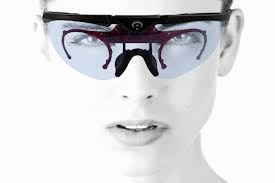
Eyelights, Coloured Glasses with Lights

Part of a Melillo Method home plan

Evidence: limited · Code works

Read more

Coloured lenses with flickering lights, developed as part of the Melillo Method. The idea, in the model we work with, is that this may support the weaker side of the brain, though hemisphere theory of this kind isn't widely accepted in mainstream neuroscience, and evidence for this specific product is limited.

View →
Advanced tools we use in clinicLasers, light and brain stimulation. Ask us which would suit your child.
Neuronic helmet, near infrared light device

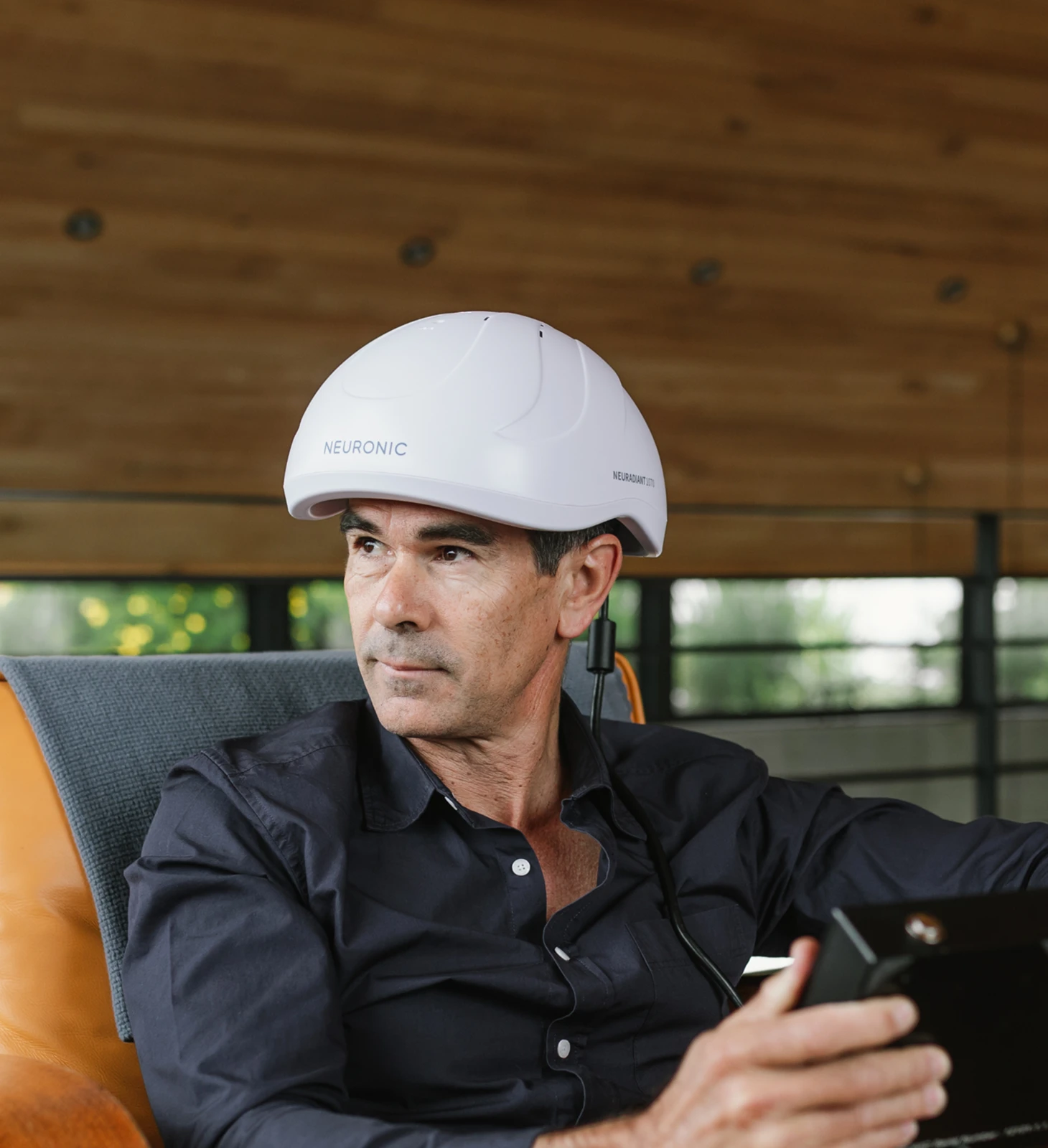
Neuronic Helmet, Near Infrared Light

Light based support alongside clinic work

Evidence: early stage · Code works

Read more

This helmet uses near infrared light, which some practitioners believe may support cellular activity. It is used in some clinics and at home. Research on light based brain devices in children is early, and we can't promise results. This device is more involved than most on this page, so we'd recommend using it only after speaking with a practitioner.

View →
Cold laser therapy device

Avant Laser, Melillo Method Protocols

Melillo Method laser protocols at home

Evidence: early stage · Code works

Read more

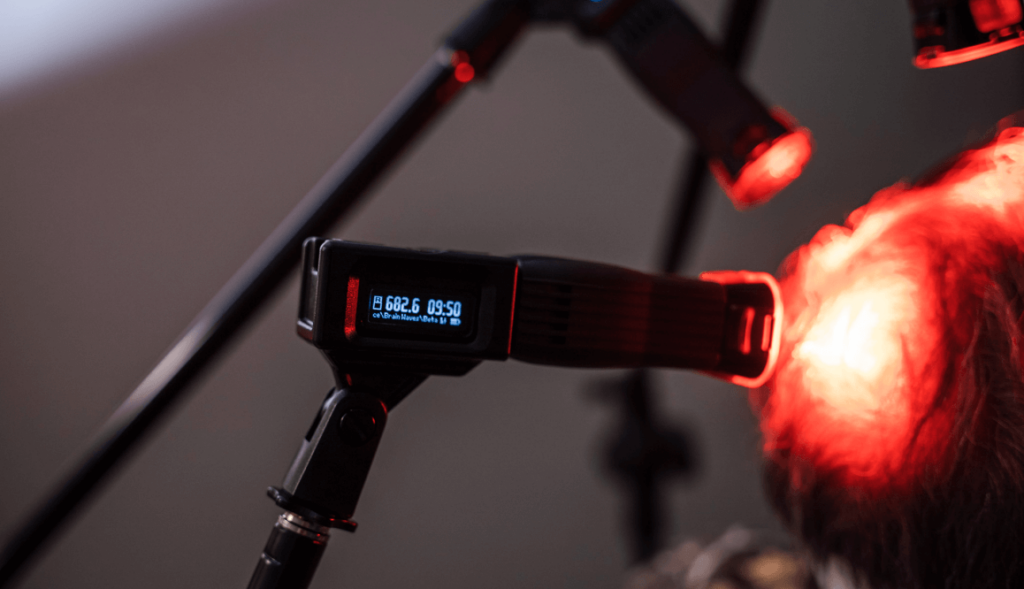
A low level (cold) laser device pre programmed with Melillo Method protocols. We use cold laser as part of The Clarity Day, always introduced gently and explained first. Research on low level laser in children is at an early stage.

View →
5i Series laser therapy device

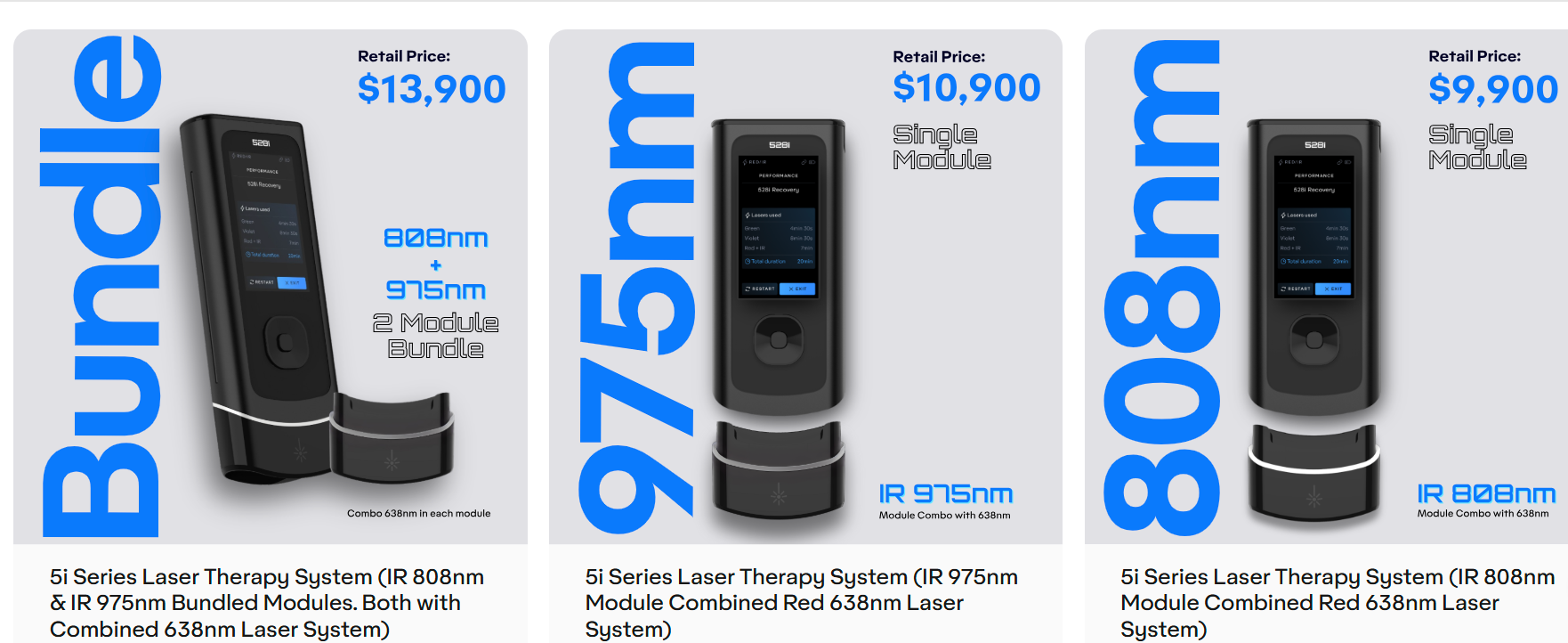
i528 Laser, 5i Series Laser Therapy System

Laser therapy at home after an intensive

Evidence: early stage

Read more

A laser device combining two light wavelengths, which the manufacturer describes as FDA cleared for general use. We haven't independently verified this, and clearance for general low level laser use doesn't mean it's been evaluated for a specific developmental condition. We use it alongside other tools, and research in children is limited.

Get in touch →
Brain Driver tDCS device

Brain Driver, Transcranial Direct Current Stimulation (tDCS)

Electrical stimulation alongside clinic work

Evidence: not established for children · Code works

Read more

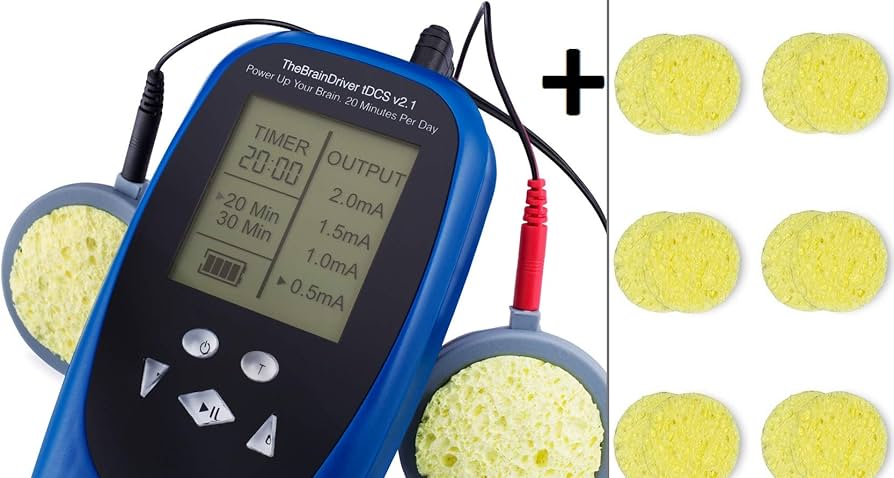
tDCS passes a very small electrical current across the scalp. It is an active area of research in adults, and research in children is still limited.

View →

Some links are affiliate links, so we may earn a small commission at no extra cost to you. It doesn’t change what we say about any tool.

Dana Latter, co-founder of Hopeful Neuron

Written by Adi and Dana Latter

Co-founders of Hopeful Neuron in Mill Hill, London. Posturologists certified in Montreal, and qualified in Childhood Developmental Functional Neurology with Dr Robert Melillo.

Last reviewed: November 2026 · About us

Questions parents ask

No. Most children would only use one or two of these, chosen for their specific difficulties, and some children won't need any of them. If you'd like a personal steer, book a free call and we'll tell you honestly what we think might help.

There's no tool we can point to with strong evidence for focus specifically. Some families use BlazePods for active, game based practice, or BrainTap as a relaxation aid before homework. We can't promise either will help with focus, and a free call is a good way to talk through what might suit your child.

Some families use the vibration plate or the TENS unit for children who seek strong sensory input, and BrainTap or the Rezzimax tool for children who feel overwhelmed. We can't promise these will help, and if sensory difficulties are significant, an occupational therapist assessment is often a good starting point.

Yes. Book a free 15 minute call and we'll talk through your child's specific difficulties and give you an honest view, including if we don't think any of these tools are the right next step.

Some of the links on this page are affiliate links, and we may earn a small commission if you buy through them, at no extra cost to you. This is disclosed on the page, and it's how we fund free content like our articles and courses. We only list tools we've used ourselves, and we've tried to be upfront about which ones have little evidence behind them.

This page is general information for parents, and reflects our own experience with these tools. It is not medical advice, and it does not replace advice from your GP, health visitor, paediatrician or other health professional.

Not sure which tool might suit your child?

Book a free 15 minute call with Adi and Dana. We'll listen, and give you an honest view, including if we think none of these tools are the right next step for your child.

Book Your Free Call
Certifications & Affiliations
Dr. Robert Melillo, Melillo Method CIES, Collège International d'Etude de la Statique IAFNR, Interdisciplinary Association of Functional Neurosciences and Rehabilitation