Primitive reflex therapy for children in London.
When baby reflexes hang on, sitting still, balance and handwriting all get harder. We find which ones and give you a short daily plan to help.
Book a free 15 minute call →Ages 18 months to 18 years. No diagnosis needed. Mill Hill clinic or from home.
Sound like your child?
- Bright, but homework takes forever.
- Falls over, trips and bumps into things.
- Can't sit on a chair for more than a few minutes.
- Handwriting still looks young for their age.
- Melts down in loud or busy places.
- Never really crawled, or crawled in an unusual way.
If a few of these ring true, an early reflex may still be active. That's something we can help with.
What's going on underneath.
Every baby is born with primitive reflexes. They're meant to fade in the first year or so. When one stays active, your child has to work harder than they should for simple things. These are the six we check most often.
- Moro
- Jumpy at sudden noises, big reactions, slow to calm.
- Palmar
- Tight, tiring pencil grip and messy handwriting.
- ATNR
- Loses their place reading, clumsy with a ball.
- STNR
- Slumps at the table, sits in a W shape.
- TLR
- Poor balance, toe walking, car sickness.
- Spinal Galant
- Always wriggling, hates waistbands and labels.
How it works with us.
We look closely
We check each reflex, plus posture, balance and eye movements. It feels like play, and you stay in the room.
We explain what we found
In plain English, and how it links to what you see at home.
You get a short daily plan
A few simple movements, around 10 to 15 minutes a day. We show you each one until you feel confident.
We adjust as things change
As reflexes settle, the plan moves on. You can message us with questions along the way.
Small daily steps make the difference.
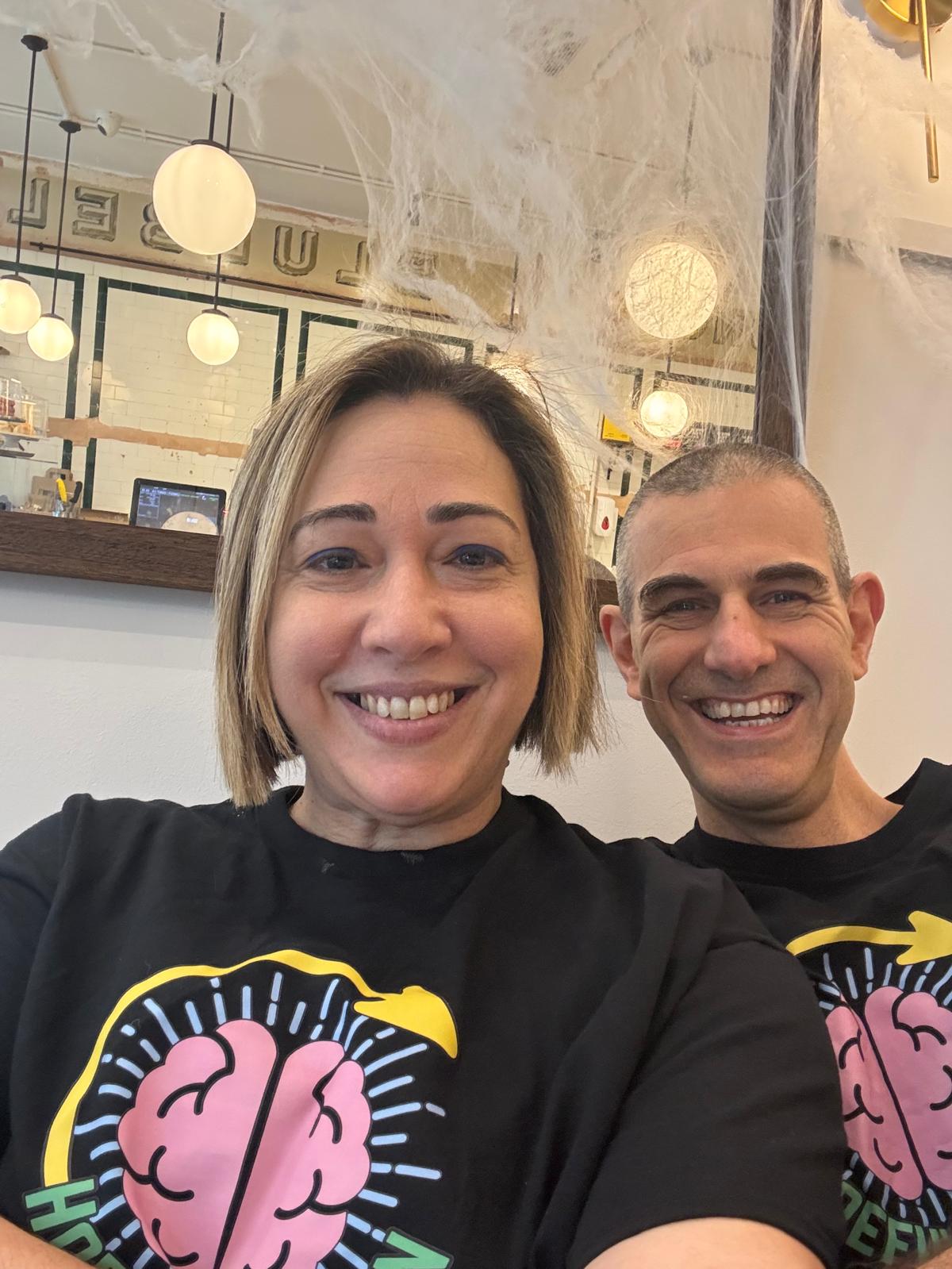
Our son was nonverbal. What changed things for him wasn't one big session. It was simple work, done again and again, every day.
That's how reflex work goes too. The clinic shows you what to do. The change happens at home. So we keep plans short, and we stay with you while you do them.
Adi and Dana Latter, founders
Questions parents ask.
What is a retained primitive reflex?
It's an early baby reflex that is still active when it would usually have faded. It can make sitting still, balance, reading or handwriting harder work than they need to be.
What ages do you work with, and do we need a diagnosis?
Children from 18 months to 18 years. No diagnosis is needed. Some families come with a diagnosis of autism, ADHD or dyslexia, and many come without one.
How long does reflex work take?
It varies from child to child. Most families see small changes first, then bigger ones over a few months of steady daily practice. We won't promise a timeline we can't stand behind.
Is there research behind primitive reflex therapy?
There is some, but it's still limited and mixed. We'll be honest about what is known, and we always work alongside your GP, school and other therapists.
Can we do it from home if we're not in London?
Yes. We show you each movement over video and check in as your child progresses. Some families visit Mill Hill once, then carry on from home.
Not sure where to start?
Book a free 15 minute call with Adi and Dana. Tell us what you're seeing, and we'll tell you honestly whether reflex work is the right place to begin.
Book a free call →Not ready yet? Start with our free Primitive Reflexes Course