★★★★★
"Dana and Adi are a great team, incredibly knowledgeable and supportive. Even after completing the Intensive week they continued supporting us, answering any concerns with confidence and care."
Our older son didn't speak until he was five. We know this feeling because we lived it. On The Clarity Day we spend time with you and your child, looking at how their brain and body are working together. Then we give you a plan and stay with you for three months while you use it. No diagnosis needed.
Not sure if this or the full Intensive week is right for you? The Clarity Day is the starting point most families take first.
You know your child. You know something isn't right. You've probably spent months or years being told to wait, to try this strategy, to give it time. Meanwhile the mornings get harder, school takes more out of your child than it should, and you go to bed exhausted wondering what you're missing.
In the model we work with, what's driving the behaviour in children with ADHD, autism and sensory processing difficulties is often something nobody has looked at yet: primitive reflexes that haven't switched off, a nervous system stuck in a state of alarm, or a brain and body that aren't working together as smoothly as they could. We think these things can change, but first someone has to look.
Our clinic is in Mill Hill, and families come to us from across North London, including Hendon, Finchley, Golders Green, Barnet, Muswell Hill and Hampstead, as well as from further afield across the UK.
"We were those parents. We had the same appointments, the same confusion and the same feeling that nobody was actually seeing our child. That is why we do this the way we do."
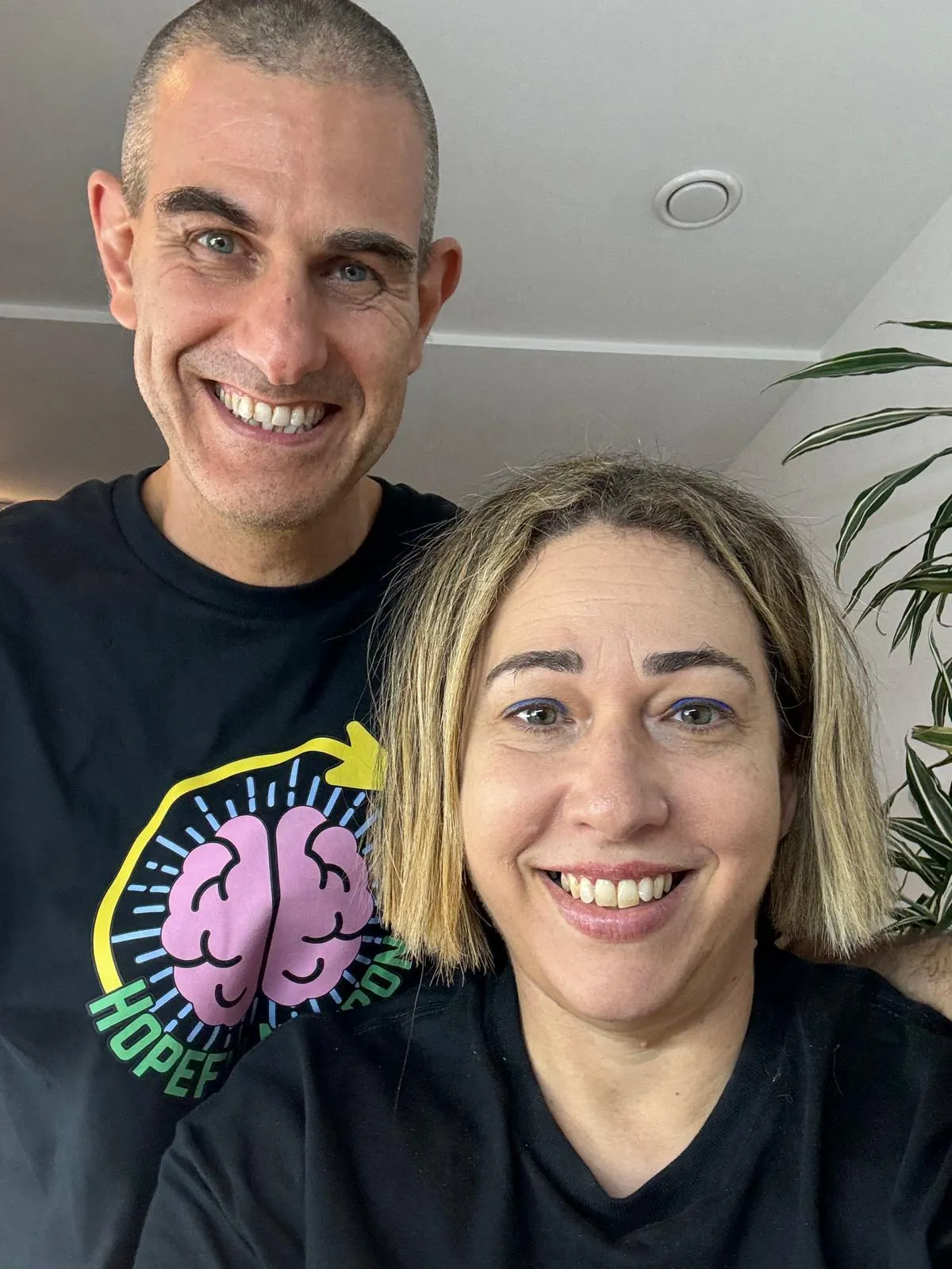
Adi and Dana, Hopeful Neuron
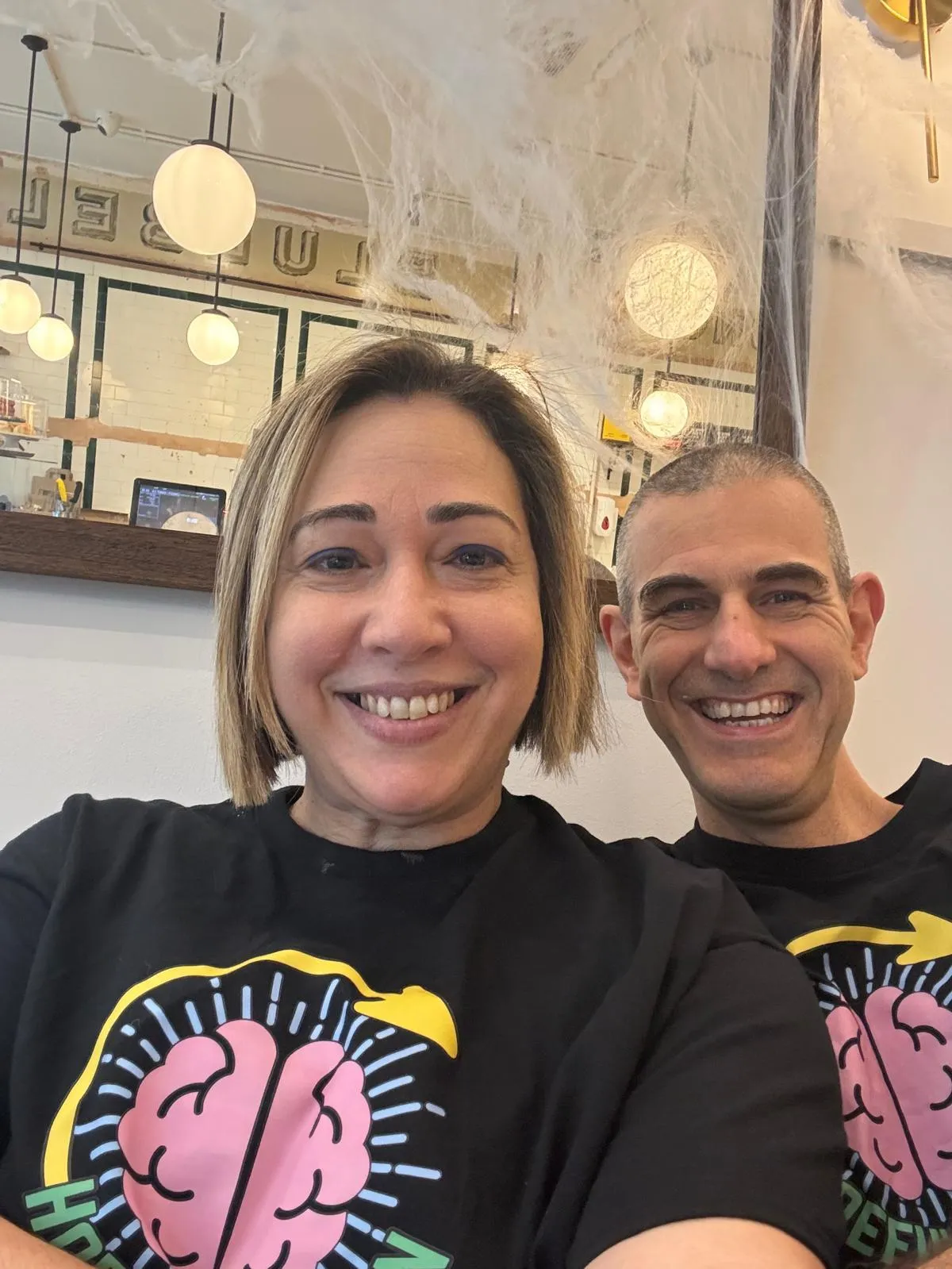
That is not a statistic from a course we took. It is where this started. He was diagnosed at the lowest percentile of development in the UK. Before we were practitioners, we were two parents watching him struggle and refusing to accept that this was just how things were going to be.
We dealt with PANDAS, with rage that turned physical, with a level of frustration and anxiety that had nowhere to go and came out sideways. There were years our house was chaos. We prioritised therapy above everything else, even when it stretched us thin, because we believed he could get to independence. Today he is fully verbal, holds conversations, has finished his GCSEs, has friends and lives independently.
Our younger son developed social anxiety that got worse during the pandemic years, to the point where he stopped speaking above a whisper, even to us, even at home. We watched his voice disappear. Through breathing exercises, mindfulness, kinesiology, somatic work and a huge amount of patience, we got it back. He is confident now, and he speaks.
We chose a different route for our own sons from the beginning, because we believed the nervous system could be helped to do what it was built to do. That belief is what sent us to train. We qualified as Melillo Method certified practitioners in 2022, and we have kept training since, in auditory listening, vision therapy, posturology and neurofeedback. Not because a certificate tells parents we are capable. Because our own sons showed us what was possible, and we owed it to other families to learn how to do it properly.
We built Hopeful Neuron because we could not find what our children needed anywhere else. If your house feels like ours did, we know exactly where to start looking.
Help the nervous system feel safe, so your child isn't stuck in fight, flight or shutdown.
Build balance, coordination and body awareness, the physical foundation the brain relies on.
Gently help early automatic reflexes finish switching off, so they stop getting in the way.
Focus, language and independence get a steadier base to build on.
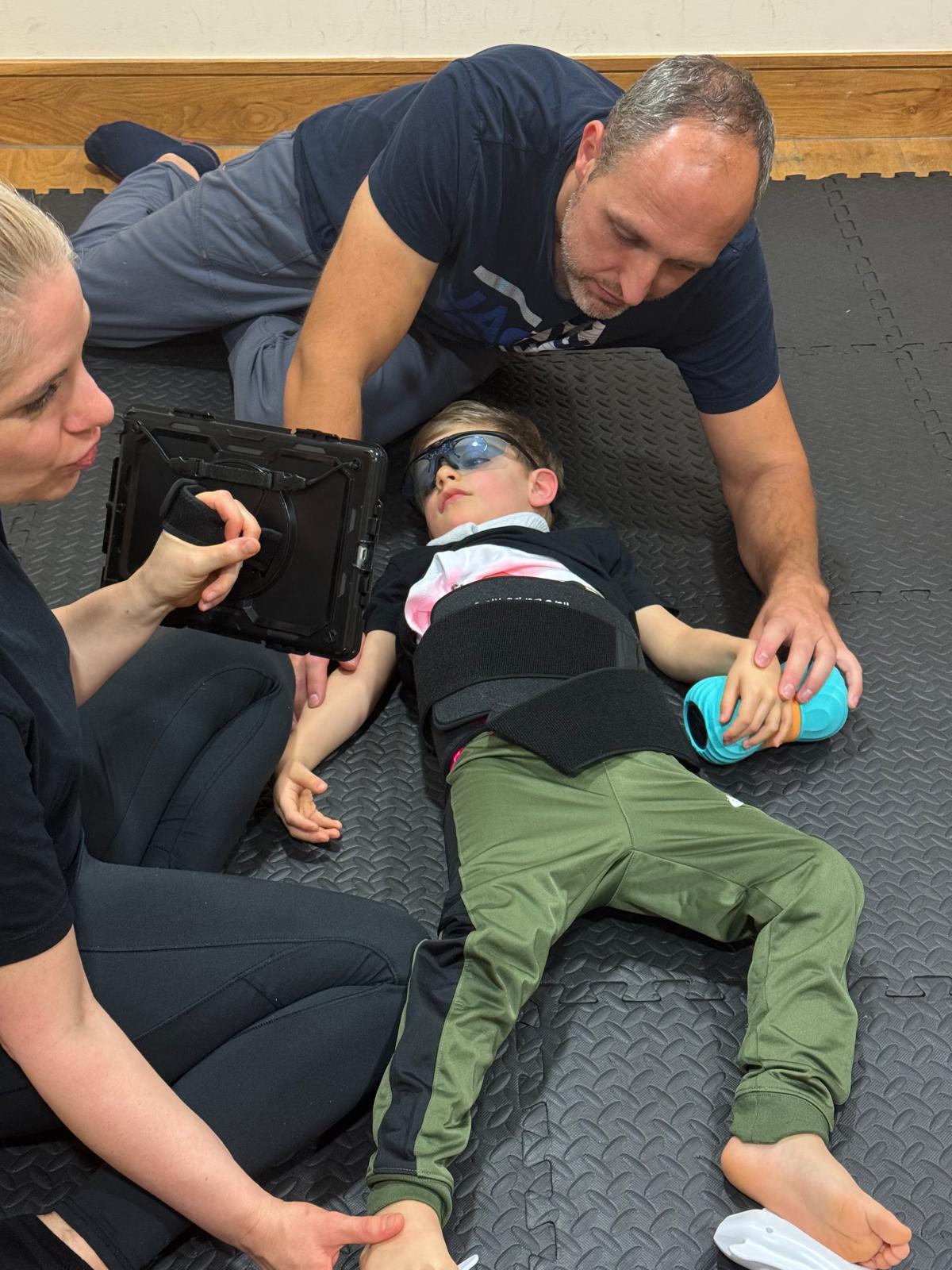
This is a three month programme. It starts with a three hour visit to our clinic in Mill Hill. We look at your child properly, work hands on with what we find and build a plan around who your child actually is. Then we stay. Two follow up calls to check in and adjust what needs adjusting. And ongoing contact throughout, so when things get hard at week three, you are not alone.
The aim is that you don't leave wondering what to do next.
You should know exactly what you are getting before you book. So here it is.
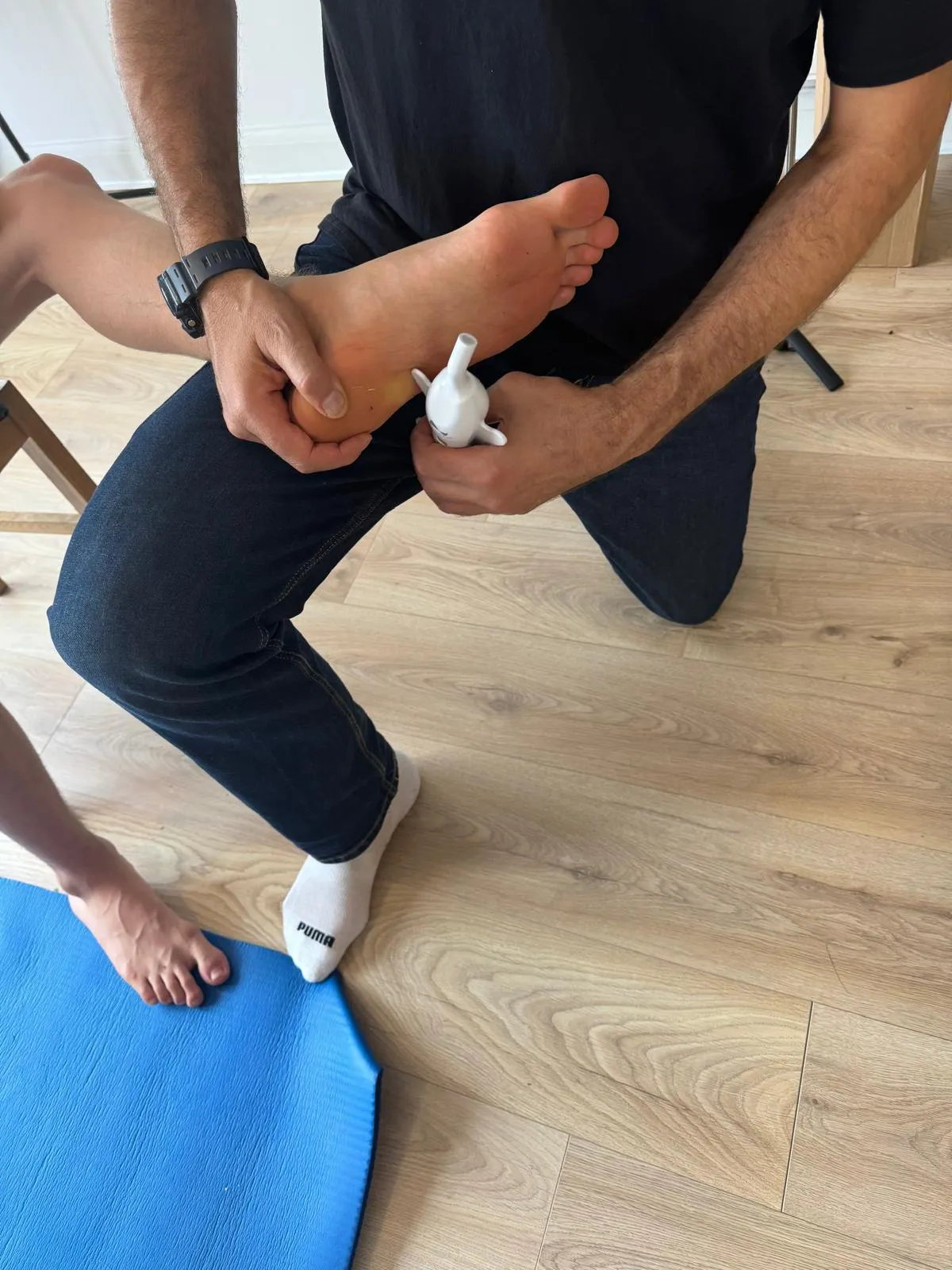
Not a form. Not a box ticking exercise. We physically look at how your child's brain and body are working together: balance, coordination, posture, primitive reflexes, sensory processing and nervous system regulation.
For many parents, this is new. It isn't usually part of a standard appointment.
The mornings. The homework. The meltdown at the supermarket checkout. We go through each one and show you what we think may be driving it for your child specifically. Not a general list of strategies. An explanation that fits.
The aim is that you stop guessing.
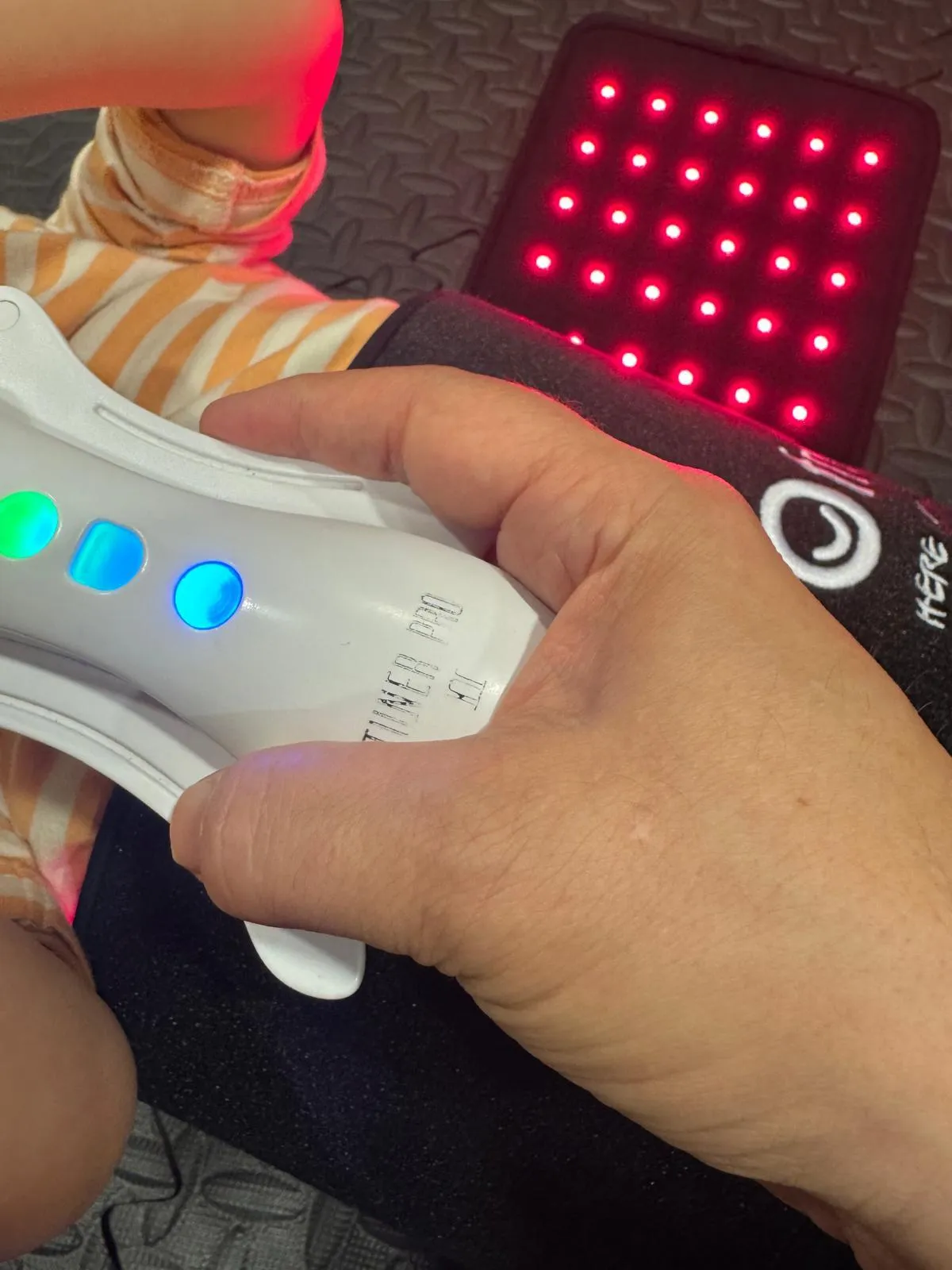
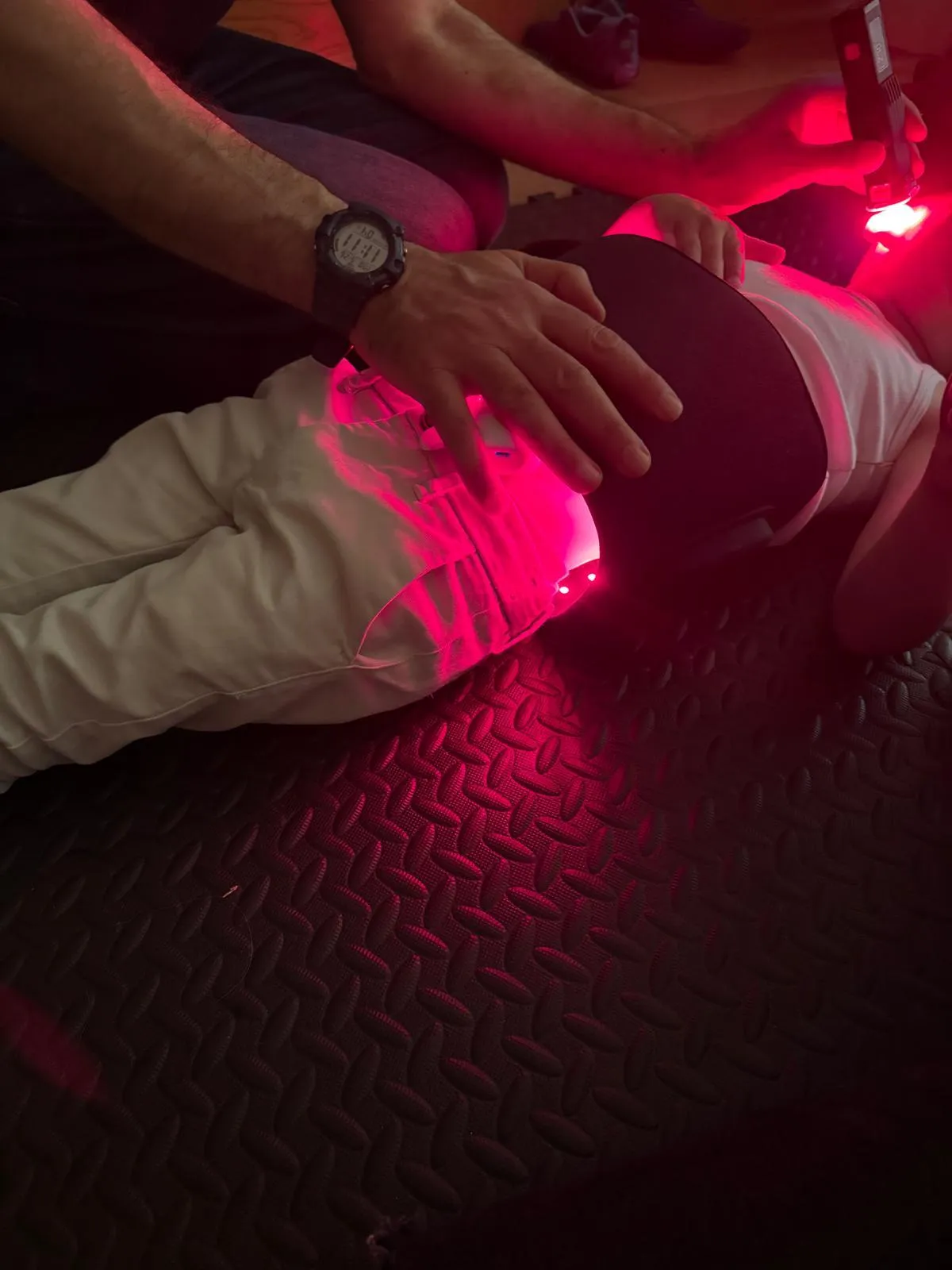
Your child receives hands on therapy during the visit, using tools such as light based devices (including the Neuronic device), brain and body stimulation, and regulation and vibration devices. Everything is chosen based on what we found and adjusted as we go. Research on some of these tools is limited, so we explain what each one is and why we are using it.
Some parents notice their child seems calmer by the end of the visit. This varies from child to child, and we can't promise it.
We sit down and write out exactly what to do at home. Simple daily exercises for the specific things we found. What to try in the morning. What to do when a meltdown is building. How to make bedtime less of a battle.
Then we check in at week four and week eight to see how it is going. And between those calls, we are there when things come up.
Some programmes give you information and leave you to get on with it alone. That is where families can get stuck. Week three is often the hard one. The initial energy fades. Something unexpected happens at school. You are not sure if you are doing it right.
That is exactly what the follow up calls are for. We look at what is actually happening, not what was supposed to happen, and we adjust. And throughout the three months, you can reach us when you need to.
These are our aims, not promises. Every child is different, and some children respond more than others. Here's what we hope you'll walk away with.
Not a diagnosis. A clear explanation of what we saw. Why the mornings may be so hard. Why loud places may send them over the edge. Answers to things you have been wondering about for years.
Short daily exercises built around your child. Not a general programme. The kind of thing that takes ten minutes and fits into real life with a real family.
One at week four. One at week eight. Real sessions where we look at what is happening and adjust the plan. Not a quick welfare call.
The meltdown over the school shoes. The refusal to get in the car. Tools for those moments that work with your child's nervous system rather than against it.
Reach out when you hit a wall. Week three is often the hard one. That is exactly when we are most useful. Not just at the start.
Some parents describe it that way. The aim isn't that everything is fixed. It's that you feel less like you're failing and more like you know what you're doing.
One price for the full three month programme. Nothing added on later. This is what we would want for our own children, and it is what we bring to yours.
✓ 3 months. Two calls. Real support."Dana and Adi are a great team, incredibly knowledgeable and supportive. Even after completing the Intensive week they continued supporting us, answering any concerns with confidence and care."
"We saw improvement in our son's behaviour. He is calmer now, his focus has improved, he's exploring everything around the house which he wasn't doing before, and his sleep has improved."
"Very caring and have your best interests at heart. Check ins from Dana help to keep you focused with working on programmes at home and they are always there with support. Highly recommend."
Some support gives you information and leaves you on your own with it. We give you the information and stay with you for three months while you use it.
Book The Clarity DayMany approaches to ADHD and autism support focus on managing what is happening on the surface. We also look at the nervous system underneath, because we think that when that changes, some of the surface difficulties can shift too. We can't promise that it will.
We would rather you come knowing exactly what this is than arrive expecting something different.
Some families find The Clarity Day is enough to get started. For families who want more work in clinic, we run a full week of intensive therapy and nervous system support in Mill Hill. What you build in The Clarity Day becomes the base for everything that follows.
If something is not covered here, just book a free call. We would rather talk it through with you than have you second guess whether this is right.
No. Many of the families we see are still on a waiting list. If you're worried about your child's focus, meltdowns, sensory responses or learning, that's enough reason to start. We don't need a label to get going, and we don't diagnose.
A three hour visit to our clinic in Mill Hill (a proper look at your child, hands on therapy, a parent training session and a personalised home plan), two 45 minute follow up calls at week 4 and week 8, and ongoing support throughout the three months. One price, nothing added on later.
You come to our clinic in Mill Hill for three hours. The first 90 minutes is with your child: hands on checks of their nervous system, reflexes, sensory processing and coordination, followed by therapy based on what we find. The second 90 minutes is with you. We go through everything, explain what we saw, and build a home plan together. You can start it that evening.
The first call at week 4 is a proper review. We go through what has been working, what hasn't, and adjust the exercises. The second call at week 8 covers the progress your child has made and what we'd recommend as the next step. They're working sessions, not quick check ins.
We're Melillo Method certified practitioners, and we've spent over twenty years in developmental therapies. We look at primitive reflexes, balance, coordination, sensory processing and nervous system regulation, which aren't usually part of a standard appointment. We're not medical doctors, and we work alongside your child's other professionals.
It may be. Many appointments focus on behaviour, communication or learning. We look at how the brain and body are working together, and we stay with you for three months while you put the plan into practice. We can't promise particular results, and we'll tell you honestly on a call whether we think it's worth trying.
Research on the Melillo Method and on reflex based approaches is limited and mixed. Research on some of the tools we use, such as light based devices, is also limited. We use them as part of a framework for looking at your child and building a home programme, and we'll explain what each one is and why we're using it. See our page on the Melillo Method in the UK and our research page for more.
We introduce each tool gently, explain it to you first, and go at your child's pace. Please tell us in advance about any medical conditions, including epilepsy or a history of seizures, and anything your child takes, so we can plan the day around it. You can ask us to stop or skip anything at any point.
If you're worried about your child's development, yes. The Clarity Day doesn't replace your GP, health visitor, paediatrician or your child's therapists, and it's designed to sit alongside them. If anything we see calls for it, we'll suggest you speak to one of them.
Yes. The clinic day is in person at our Mill Hill clinic in London NW4, and families travel from across the UK for it. The two follow up calls and all ongoing support happen remotely, so distance doesn't affect the programme after that first day. If you'd rather start from home, look at A remote look at your child.
£697 for The Clarity Day. That covers the clinic day, your personalised home plan, two follow up calls and three months of ongoing support. No hidden extras. If you want to talk it through first, book a free 15 minute call.
We priced it at what we'd want to pay ourselves. We know what it's like to wonder whether you can afford the help your child needs, and we don't want cost to be the reason a family doesn't come. £697 covers the full three month programme. It isn't a taster or a stripped back version of anything.
This page is general information for parents. It is not medical advice, and it does not replace advice from your GP, health visitor, paediatrician or other health professional.
No forms to fill in first. Just tell us what you're seeing at home and at school.
Honestly, and in plain language, based on what you've told us and over 20 years of experience.
If The Clarity Day is a fit, we'll get you booked in. If not, we'll tell you that too.
Book 15 minutes with Adi or Dana. Tell us what is going on with your child. We will be straight with you about whether this is the right next step. And if it is not, we will tell you that too.
1A Hall Lane, Mill Hill, London NW4 4TJ · Follow up support is remote · Mon to Sat 9am to 2pm · £697 including everything


