Neurofeedback for children in London: what it is and whether it helps.
You've probably seen neurofeedback pitched as a drug free option for ADHD. Before you pay for a course of sessions, it's worth knowing what it is, what the research says, and where it fits.
We use neurofeedback in some cases, as one part of a wider plan. If we don't think it's worth it for your child, we'll tell you.
No obligation. No diagnosis needed. Just fifteen minutes with Adi and Dana.
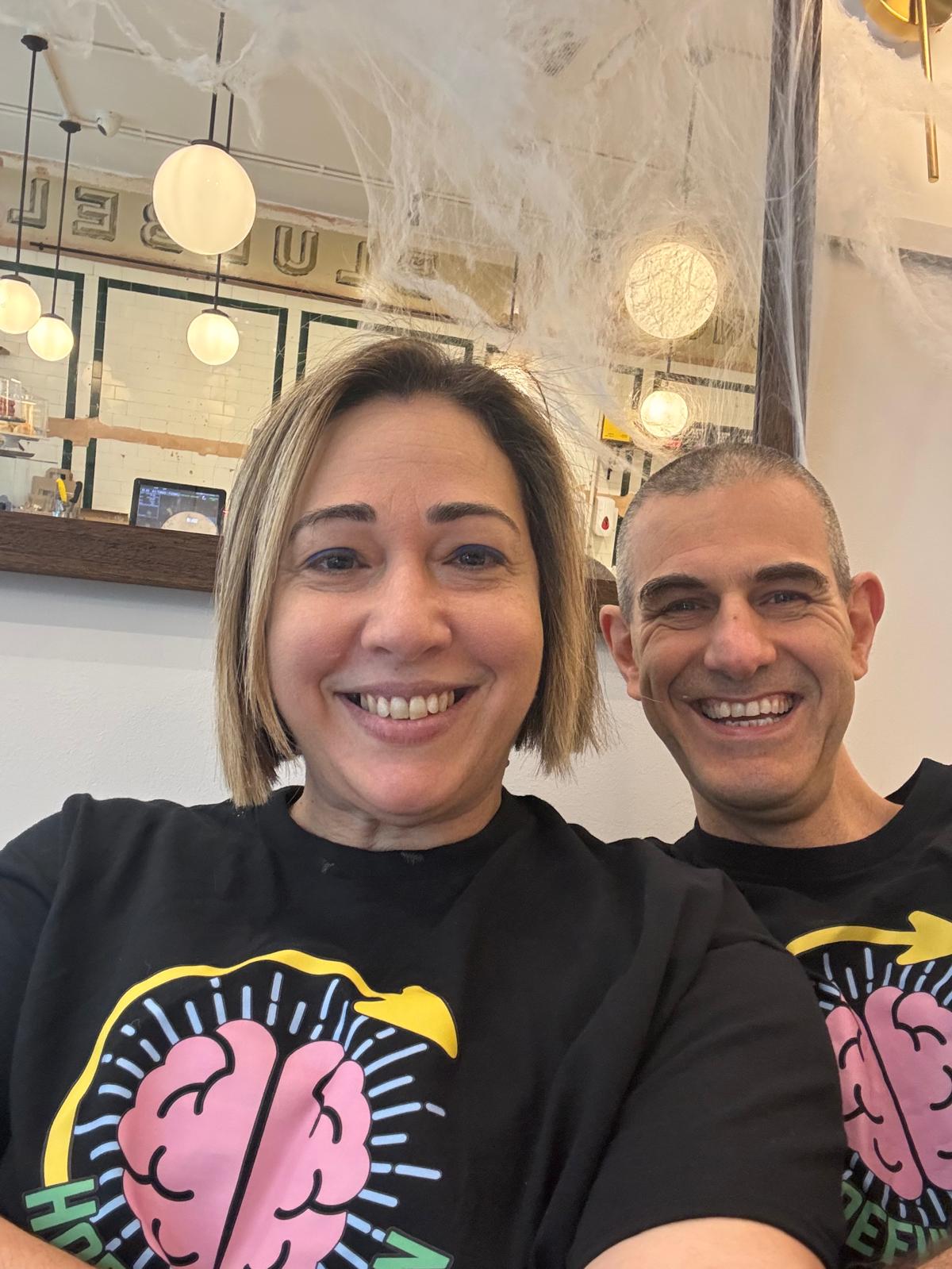
Adi & Dana, parents and Melillo Method practitioners
- Neurofeedback trains the brain using live feedback from sensors on the scalp. It's painless and non invasive.
- The research on ADHD is mixed. Better controlled trials find little clear benefit for core symptoms.
- We treat it as one option, never a fix on its own, and it doesn't replace your child's doctor.
- Brain mapping (QEEG) is different. It's a snapshot, not a treatment. We run mapping days in Muswell Hill.
What is neurofeedback?
Picture your child sitting in a chair with a few small sensors on their scalp, watching a film or playing a simple game. The sensors read their brain activity (that's the EEG), and the software changes what's on the screen. When the activity moves in the direction the practitioner is aiming for, the film plays smoothly. When it drifts, it stutters or pauses.
Over a course of sessions, the idea is that the brain picks up the pattern. It doesn't hurt, and nothing goes into the brain. The sensors only listen.
You'll also hear about brain mapping, which is a different thing. We come to that below.
Does neurofeedback work for ADHD?
"Mixed" is the fair word. Some studies find small improvements in attention, mostly when parents are the ones doing the rating. When trials use raters who don't know which treatment a child had, or compare against a sham version, most of that benefit disappears.
A large review of 38 randomised trials in JAMA Psychiatry found no clear evidence of meaningful benefit for core ADHD symptoms in the better controlled analyses. It did see small gains in processing speed with standard protocols.
So neurofeedback might help some children, but the evidence isn't strong, and it shouldn't replace what your child's doctor recommends. On the NHS that usually means parent training, support at school and, where it's right for the child, medication. Talk to your GP or paediatrician about those first.
Brain mapping and neurofeedback aren't the same thing
QEEG brain mapping records a snapshot of your child's brain activity, using sensors on the scalp, and turns it into a map. It helps us see patterns, like how calm or busy different areas are.
Neurofeedback is training over several sessions. Mapping is a look, not a treatment. A map can't tell us whether your child has ADHD or autism, and it isn't a diagnosis.
We run brain mapping days at Lab Spa in Muswell Hill. See how they work →
Questions to ask before you pay anyone
- What exactly are you training, and why for my child?
- How will we measure change, and when will we review it?
- What happens if it doesn't help? Can we stop?
- What will it cost in total, and what's included?
- Will you work with my child's doctor and school?
Where neurofeedback fits in our work
We start with the whole picture: reflexes, balance, sleep, sensory needs, and brain mapping if it would help. Then we decide whether neurofeedback adds anything. Sometimes it doesn't, and we say so. When it does make sense, it's one part of a plan, not the plan.
It may suit children who
Are curious about the technology, can settle for a session with sensors on, and whose parents want to try a drug free option alongside other support.
It may not suit children who
Find sensors on their head very hard to tolerate, or who need other support first. If your child has epilepsy or another neurological condition, please talk to their specialist before anything else.
Parents first, practitioners second
Our older son didn't speak until he was five. We've spent over 20 years in developmental therapies since, neurofeedback among them, and we've been Melillo Method certified since 2022.
We'll tell you what a tool can and can't do, even when that means it isn't for you. Read our story →
In parents' own words.
"Adi and Dana explained things in a way that finally made sense. We understood why, not just what to do."
"Dana and Adi are a great team, incredibly knowledgeable and supportive. They always found a way to help our son and gave us the strength to do the same at home."
"Very caring and truly have your best interests at heart. Check ins from Dana help keep you focused on working at home. Highly recommend."
Questions parents ask about neurofeedback
What happens on the free call?
You tell us what's going on
Just tell us what you're seeing and what you've already tried. No forms first.
We tell you what we think
In plain language. If we think you should see a doctor or specialist first, we'll say so.
You decide, no pressure
If it's a fit, we'll talk next steps. If not, we'll tell you that too.
Book a free 15 minute call with Adi & Dana.
No waiting list, no diagnosis needed, and no pressure to commit to anything. Just a straight conversation with two people who've been where you are.
Keep reading.
The Melillo Method in the UK →
What it is and how to find a practitioner.
ADHD support →
Why sticker charts only get you so far.
Brain mapping in Muswell Hill →
How our local mapping days work.
The science behind what we do →
The tools we use, and the research behind them.
Primitive reflexes explained →
The layer underneath meltdowns, focus and sleep.
The Remote Programme →
Full support from home, wherever you are.
This page is general information for parents. It is not medical advice and it does not replace advice from your GP, health visitor, paediatrician or other health professional.


