"Dana and Adi are a great team, incredibly knowledgeable and supportive. Even after completing the Intensive week they continued supporting us, answering any concerns with confidence and care. They always found a way to help our son and gave us the strength to do the same at home."
You've already tried things.
Here's a different place to start.
You've searched at midnight, tried the exercises, sat on waiting lists, maybe done a few sessions with someone kind who still didn't quite see it. What may be missing is someone looking at how your child's nervous system is working, building a plan from what they see, and staying with you while you use it. That's what this programme is.
4 Zoom sessions · Ongoing support
We ask questions before we sell you anything. If this isn't right for your child, we'll say so.
sessions included
- The Guided Remote Programme is a 6 month programme for families anywhere. We look at your child's reflexes, coordination and nervous system over video, build a personalised home plan, and support you with 4 live Zoom sessions and ongoing guidance.
- It costs £1,200. There's no automatic renewal.
- It's designed to sit alongside your GP and your child's other support. It isn't a diagnosis. Research on this approach is limited, so we can't promise particular results.
- You don't need a diagnosis. If you're not sure it's right for your child, start with a free 15 minute call.
You've tried hard. Maybe the starting point was wrong.
It's not you. Parents who come to us have usually already done a lot. Much of the support out there starts with the label rather than the child, and a plan built around a label alone can miss what's happening in your child's body.
You do the reading. You follow the advice. And you still go to bed wondering if you're missing something obvious. That's not you being anxious. It's common to feel there's a gap between what you've been told and what you're seeing.
It's been described. It hasn't always been looked at underneath.
ADHD. Sensory processing. Anxiety. You've heard the words. What you may not have had is someone look at the nervous system layer that sits below the behaviour, which we think can help explain why nothing quite sticks.
The exercises were for someone else's child
You tried the YouTube video, the handout from the OT. They may well have helped a bit, for a while. But they weren't built around your child specifically, and we think that matters.
The right person isn't anywhere near you
Long waiting lists. A specialist a long way away. Or nobody in your area asking these questions at all. That's the gap this programme was built for.
The order we work in.
Regulation
Help the nervous system feel safe, so your child isn't stuck in fight, flight or shutdown.
Movement
Build balance, coordination and body awareness, the physical foundation the brain relies on.
Reflexes
Gently help early automatic reflexes finish switching off, so they stop getting in the way.
Learning & Communication
Focus, language and independence get a steadier base to build on.
This is the same order the first look at your child and the home plan follow, whether you're working with us in clinic or over Zoom.
A proper look. A plan. Someone with you for six months.
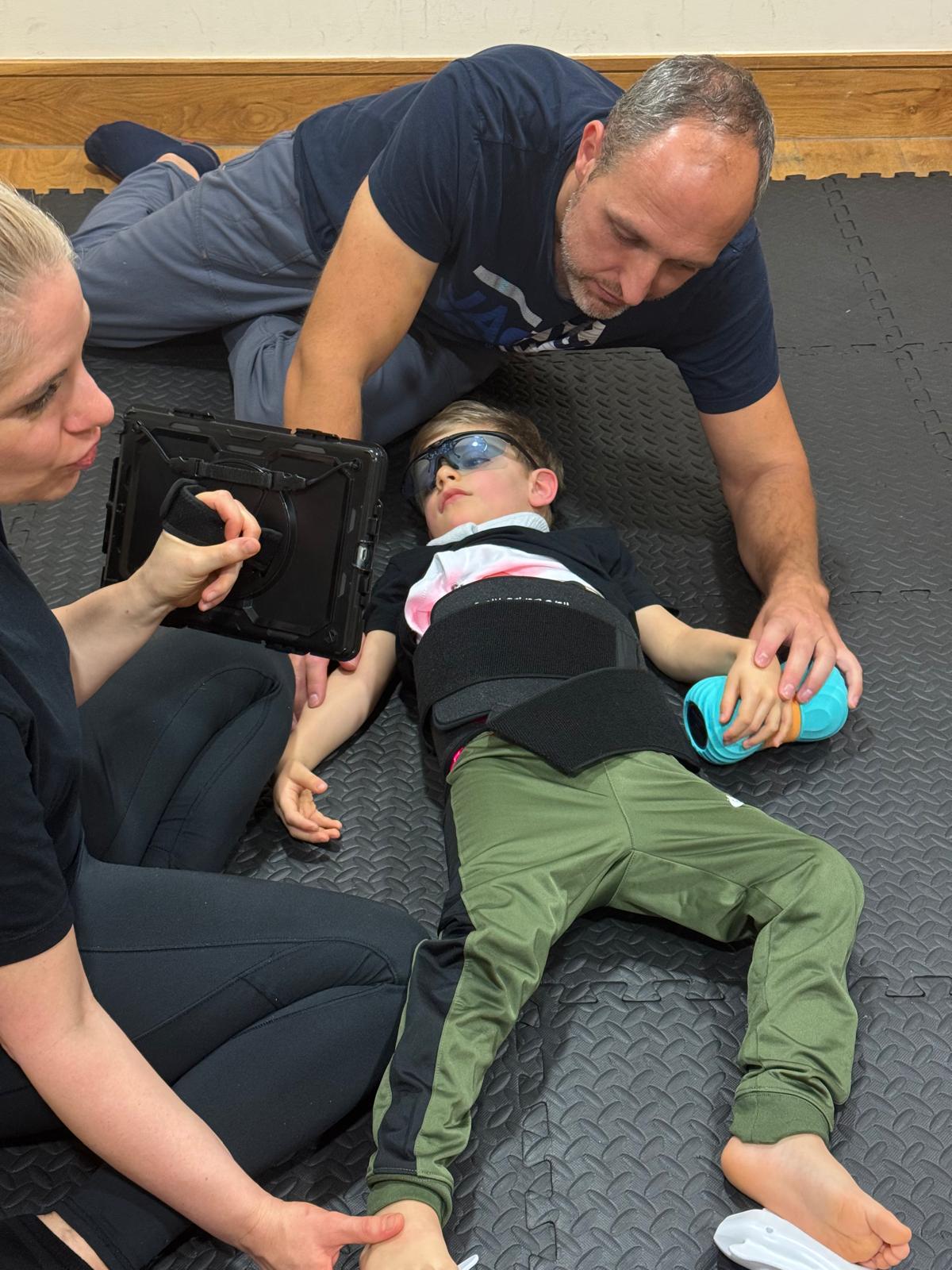
The first step is a proper look. We check primitive reflexes, cranial nerve function, vestibular processing, coordination and nervous system regulation, the same things we'd check in clinic, adapted for the screen. In the model we work with, that helps us understand what may be behind the difficult mornings, the meltdowns, and how tiring school can be for your child. A remote look has limits compared with seeing your child in person.
Some of it may be new to you. It doesn't usually come up in a standard appointment.
Four things. Nothing you don't need.
Each part of this does a specific job. Together they give you something you can follow from the first call to month six.
We look at your child properly, over video
Primitive reflexes, cranial nerve function, vestibular processing, coordination. The same checks we do in clinic, adapted for Zoom. It takes time, and it gives us more to go on than a questionnaire alone.
A home programme built for your actual child
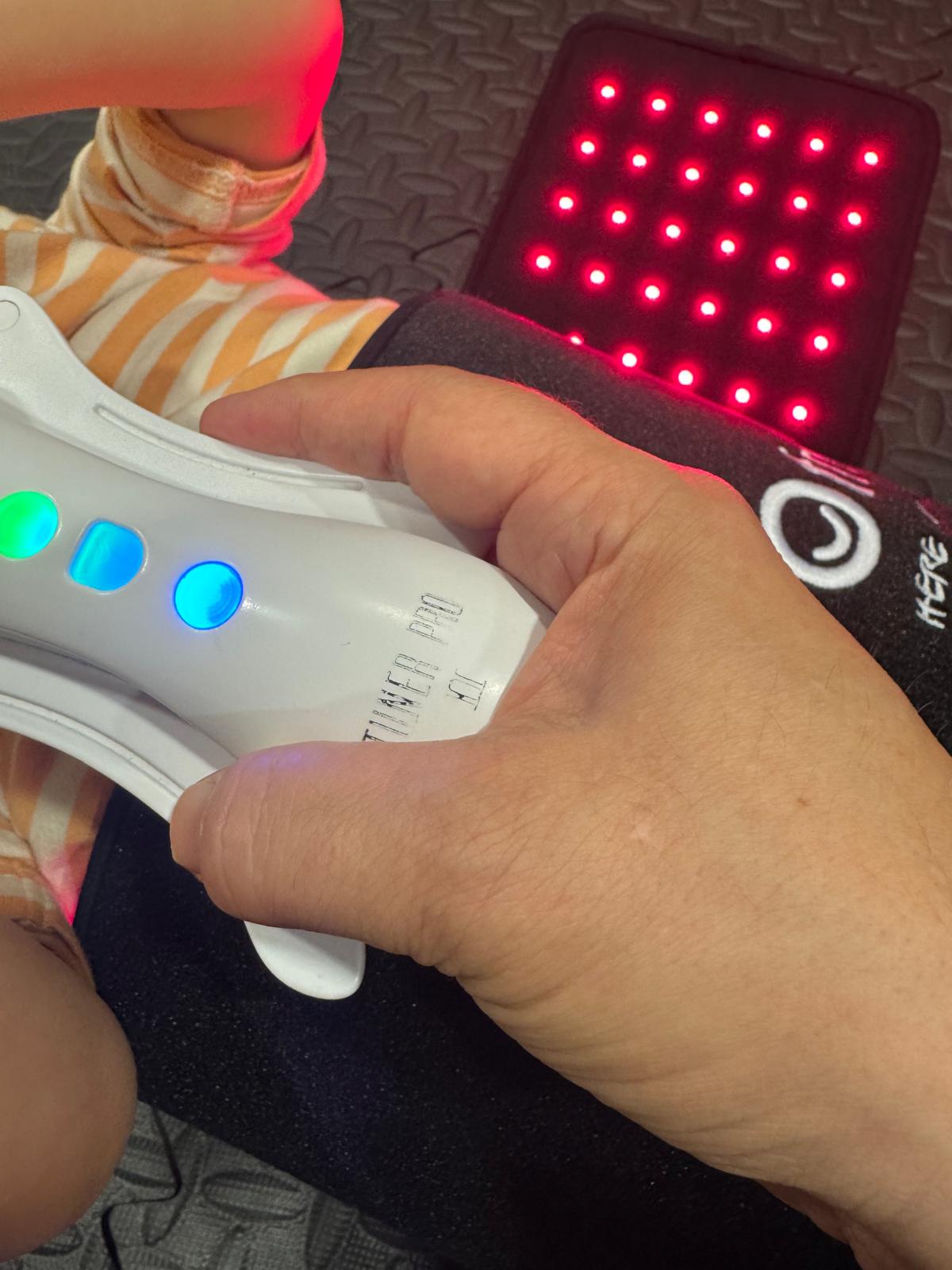
Short daily exercises, written for your child, not for parents in general. We explain what each one does and why. The aim is a plan that feels like it was written for your child.
Four proper sessions, not quick check ins
We go through what's changed, what's been hard, what needs adjusting. Your child changes over six months, so the plan needs to as well. Adi and Dana are in every call.
We're there between the calls too
Something unexpected happens. You're not sure if what you're seeing is progress or a setback. You just need someone to tell you whether to keep going. We're there, not just on call days.
Honestly, it's not for everyone.
We'd rather you know now than find out on the call. Here's who this works well for, and who'd be better served by something else.
This works well if...
- You're not in London, or getting here just isn't realistic right now
- Your child can engage with simple activities at home, even reluctantly
- You can find 10 to 15 minutes most days for the exercises
- You're done with generic advice and want something built around your child specifically
- You want someone actually with you as you work through it, not just a PDF
It's probably not right if...
- Your child's meltdowns or dysregulation are severe enough that hands on work is needed first
- Your child can't yet follow simple instructions or engage with any structured activity
- Family life right now genuinely won't stretch to daily home exercises
- You need someone physically in the room with your child
If that sounds like your situation, the Intensive Programme is likely the better fit. We'll tell you on the call. We'd rather point you the right way than take your money for something that won't work.
We were those parents. That's why we do this.
Before any of this, we were just parents with a child who was struggling and a stack of appointments that hadn't answered the real question. We know what it's like to sit in that waiting room, hear another professional describe your child's symptoms back to you, and leave no closer to understanding what's actually going on.
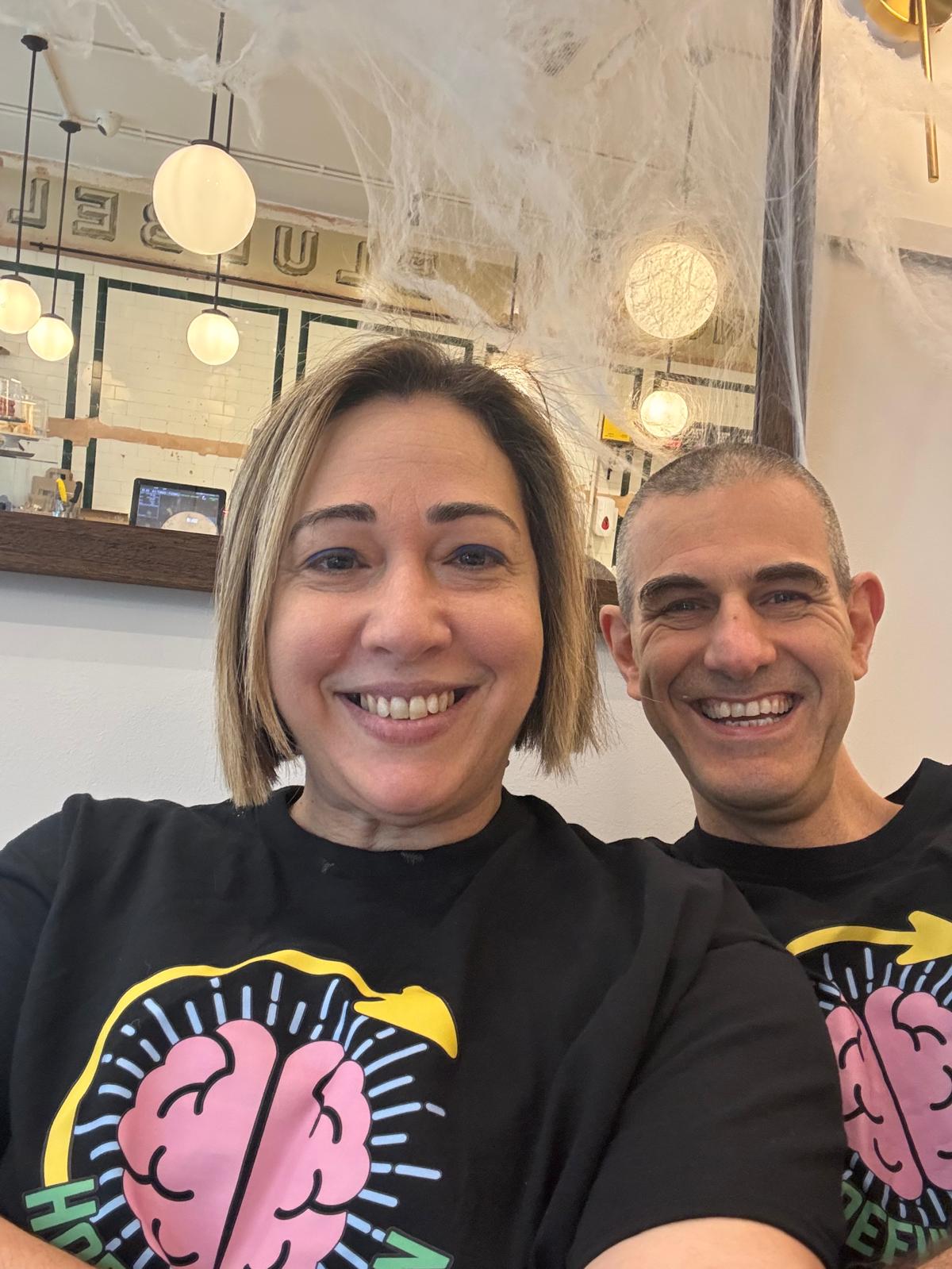
We built Hopeful Neuron because we couldn't find what our family needed anywhere. When you work with us remotely, you get Adi and Dana. Not a coordinator, not a different therapist each call. The people who look at your child are the people you speak to every time.
What parents say about Hopeful Neuron
We're grateful to the families who have taken the time to share their experiences with us.
"After an intensive week of functional therapy with Dana and Adi, and implementing everything we learned at home, we saw improvement in our son's behaviour. He is calmer now, his focus has improved, and his sleep has improved."
"Very caring and truly have your best interests at heart. Check ins from Dana help to keep you focused with working on programmes at home and they are always there with support and any extra questions. Highly recommend."
Remote or Intensive? Here's the difference.
One is done at home over six months. The other is a week in London. They suit different situations. If you're not sure which is right for your child, that's exactly what the free call is for.
- Fully remote, for families anywhere in the world
- Parent led at home, with expert guidance throughout
- Flexible, fits around your family's routine
- Steady progress built over 6 months
- Best for children who can engage with a home programme
- In person at our Mill Hill, London clinic
- Hands on work directly with Adi and Dana
- A concentrated week of direct work
- A higher level of support for more complex cases
- Best for children who need more direct support
Not sure which is right? That's exactly what the free call is for.
Book a Free 15 Minute Call →Many families spend months trying things without a clear picture of what may be driving the difficulties. This starts there. The plan comes after.
"We've tried everything"
OT, speech therapy, dietary changes, reward charts, breathing exercises. All well meaning, and many of them valuable. Not all of them started by asking what's happening in this child's nervous system.
Part of the picture may be missing
In the model we work with, retained primitive reflexes, immature vestibular processing or cranial nerve function may play a part. We think supporting behaviour without looking at those can miss some of the picture.
A clearer picture to work from
A proper look at your child. A plan built from what we see. Six months with us while you use it. We can't promise particular results, but we think it's a sensible place to start.
Questions parents ask us
If yours isn't here, book a free call and we'll talk it through with you directly.
It depends on your child. The daily home programme is where most of the work happens, whether the plan was built in clinic or over video, and the guided calls help you stay on track. A remote look has limits compared with seeing your child in person, and if we think a hands on look would help, we'll say so.
Many families continue the home programme on their own by then. If your child would benefit from more, we'll tell you honestly, whether that means a further remote block or moving to the Intensive Programme. There's no automatic renewal and no pressure either way.
Yes. We know six months of real family life includes illness, holidays and weeks where nothing goes to plan. Message us and we'll move your next call to fit. The programme is built around your family, not the other way around.
This comes up, and it's exactly what the follow up calls are for. We adjust the exercises to fit your child's mood, resistance and sensory needs rather than expecting you to force compliance. If engagement stays a real barrier, we'll be honest about whether the Intensive Programme, with hands on work directly from us, would serve your child better.
No. Many families we work with are still on a waiting list or haven't pursued a formal diagnosis. We don't diagnose, and the programme isn't a diagnosis. A diagnosis comes through the NHS or a private specialist team.
Research on the Melillo Method and on reflex based approaches is limited and mixed. We use it as a framework for looking at your child and building a home programme, and we can't promise particular results. We'll tell you honestly on the call whether we think it's worth trying. See our page on the Melillo Method in the UK and our research page for more.
If you're worried about your child's development, yes. This programme doesn't replace your GP, health visitor, paediatrician or your child's therapists, and it's designed to sit alongside them. If anything we see calls for it, we'll suggest you speak to one of them.
This page is general information for parents. It is not medical advice, and it does not replace advice from your GP, health visitor, paediatrician or other health professional. Read more about our approach on the Melillo Method in the UK page.
What happens on the free call?
You tell us what's going on
No forms to fill in first. Just tell us what you're seeing at home and at school.
We share what we think it is
Honestly, and in plain language, based on what you've told us and over 20 years of experience.
You decide, no pressure
If the remote programme is a fit, we'll get you started. If not, we'll point you toward what will help.
Still reading? Just book the call.
Fifteen minutes with Adi or Dana. Tell us what's going on. We'll ask a few questions and tell you honestly whether this makes sense for your family. No pitch, no pressure. If it's not the right fit, we'll say so.
4 Zoom sessions · ongoing support
We ask questions first. If this isn't right for your child, we'll tell you.
"We built this because we needed it and it didn't exist. We know exactly what it feels like to be where you are right now."