
Free primitive reflex integration course for parents
Your child isn’t the problem. There is a way forward.
Simple movement exercises on video that you do at home with your child. For parents who’ve tried a lot and want to know what to do today.
Start the free courseFree · 15 minutes a day · No equipmentCheck the signs first

Does this sound like you?
“My child is struggling and I genuinely don’t know what else to try.”
“The waiting list is months long and my child is struggling right now, today.”
“We’ve tried a lot of things. Some helped for a bit, but nothing has really changed.”
“I just want someone to tell me what to do. At home. Every day. Without it being complicated.”
You’re not missing something obvious. What you probably haven’t had is a clear explanation, and a simple plan to follow at home.
Signs your child may have retained primitive reflexes.
Every baby is born with primitive reflexes, automatic movements that help them survive. Usually they fade in the first year or two as the brain takes over with controlled movement. When that doesn’t fully happen, some reflexes stay active and can get in the way of focus, coordination, senses and emotions.
It isn’t a diagnosis. It’s a pattern that specific, regular movement exercises can help with, and that’s what this course teaches.
Focus and attention
- Can’t sit still for more than a minute or two
- Gets up constantly during meals or homework
- Loses concentration the moment something moves or makes a sound
- Seems to hear instructions but can’t follow through
Movement and coordination
- Trips over their own feet regularly
- Avoids crawling, rolling or floor play
- Finds it hard to use both sides of the body together
- Posture keeps collapsing, however often you remind them
Sensory processing
- Strong reactions to textures, clothing labels or hair brushing
- Overwhelmed by busy or noisy places
- Craves constant movement or being squeezed
- Motion sickness, or strong reactions to spinning and swinging
Emotional regulation
- Meltdowns that seem much bigger than what triggered them
- Takes hours to calm down once upset
- Struggles with transitions and changes in routine
- Anxious in new or unpredictable situations
Not every child shows all of these. What we look for is a cluster of things that don’t quite add up. Want the detail on each reflex? Read primitive reflexes explained.
What’s inside the free course.
Made to be used, not read. Short sections, every exercise on video, about 15 minutes a day.
Every exercise on video
You press play and copy what you see. At first many children only manage a few seconds of some exercises. That’s normal.
Understand what’s going on
How to spot which reflexes might still be active, so things that felt random start to make sense.
Easier and harder versions
For low muscle tone, sensory sensitivities, or a child who finds instructions hard. We built it with those children in mind.
We’ll tell you where to start
Tell us about your child and we’ll point you to the exercises that matter most for them right now.
Notice what’s shifting
Progress is often quiet. A simple tracker helps you spot small changes on the days it feels like nothing is moving.
You can ask us things
Email us if an exercise isn’t working or you’re not sure you’re doing it right. We read everything and we reply.
What to expect, honestly.
- Weeks 1 to 3Often feels like nothing is happening. That’s normal. Some parents notice slightly better sleep or calmer evenings.
- Weeks 4 to 8Many parents first notice one specific thing: a task that went differently, or a meltdown that didn’t happen.
- Months 2 to 4Small moments start to become more regular. Posture, coordination and calmer days are common things parents mention.
- Month 4 onwardsSome patterns take longer. Families who keep going often describe a child who seems more comfortable in their body.
Every child moves at their own pace. The one thing that predicts progress is doing a little most days, and that’s the part you control.
We’ve been where you are.
We’re Adi and Dana Latter, a husband and wife team in Mill Hill, London. When our own son was struggling, we read everything and sat in rooms with people who were trying to help, but nobody could tell us what to do at home, this week, with our child.
What changed things was working on the nervous system rather than managing what showed up on the surface. This course is what we wish we’d had back then. Adi is a Melillo Method practitioner and primitive reflex specialist. Dana has worked with children for over 20 years. Together we’ve supported more than 1,000 families.
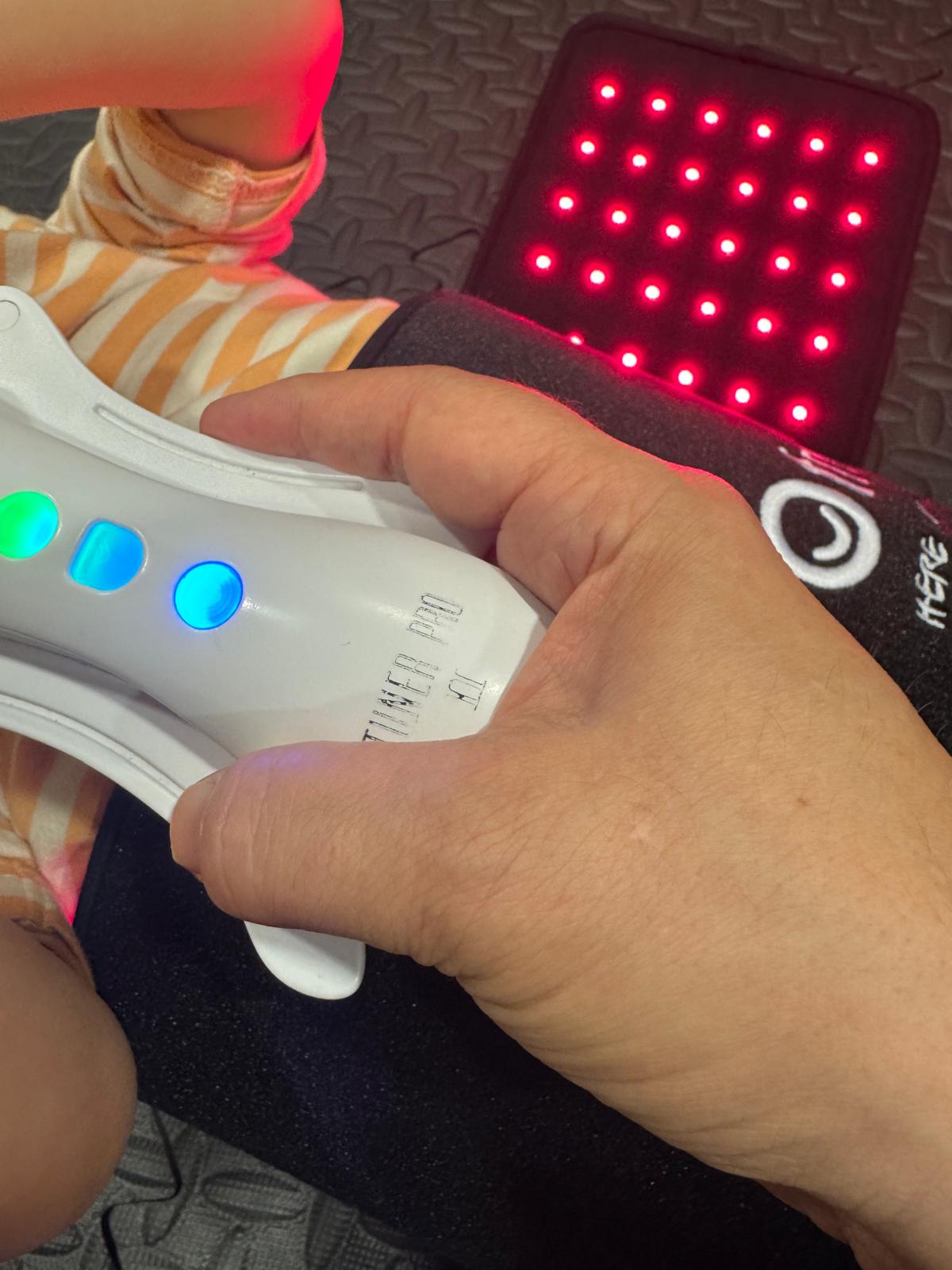
What families say about working with Dana and Adi
“Dana and Adi are a great team, incredibly knowledgeable and supportive. Even after completing the Intensive week they continued supporting us, answering any concerns with confidence and care. They always found a way to help our son and gave us the strength to do the same at home.”
“After an intensive week of functional therapy with Dana and Adi, and implementing everything we learned at home, we saw improvement in our son’s behaviour. He is calmer now, his focus has improved, and his sleep has improved.”
“Very caring and truly have your best interests at heart. Check ins from Dana help to keep you focused with working on programmes at home and they are always there with support and any extra questions. Highly recommend.”
Is it right for your child right now?
It’s probably a good fit if…
- Your child works so much harder than others just to get through an ordinary day
- You’ve had lots of advice, but nothing has come together into something you can actually do
- You’re on a waiting list and can’t just do nothing in the meantime
- You can manage 15 minutes most days. Not every day, just most
- Your child already sees someone and you want something practical to do between sessions
It’s probably not right if…
- You’re hoping for results without regular practice
- A home routine just isn’t possible right now
- Things are too chaotic to add anything at all. That’s okay. Come back when things settle
If you feel your child needs a proper look first, a free call with us is the better place to start.
Questions parents ask us.
How can primitive reflex integration help children with ADHD, autism or developmental delays?
What exercises are in the course?
How long do the exercises take each day?
Do I need special equipment or therapy experience?
Will it work for a child who is non verbal or has low muscle tone?
Can we do it alongside OT, speech and language therapy or other support?
How long until we see results?
When should we get more support than a home course?
This course is general information and home exercises for parents. It is not a diagnosis or medical advice, and it does not replace advice from your GP, health visitor, paediatrician or other health professional.
Start tonight. It’s free.
The same approach we use in our London clinic, made for home. Every exercise on video, about 15 minutes a day.


