The ATNR reflex: When turning the head moves the arm too
Turning the paper sideways, swapping hands, struggling to follow a line of text. Here’s what the asymmetrical tonic neck reflex is and why it may matter.
Take the free reflexes course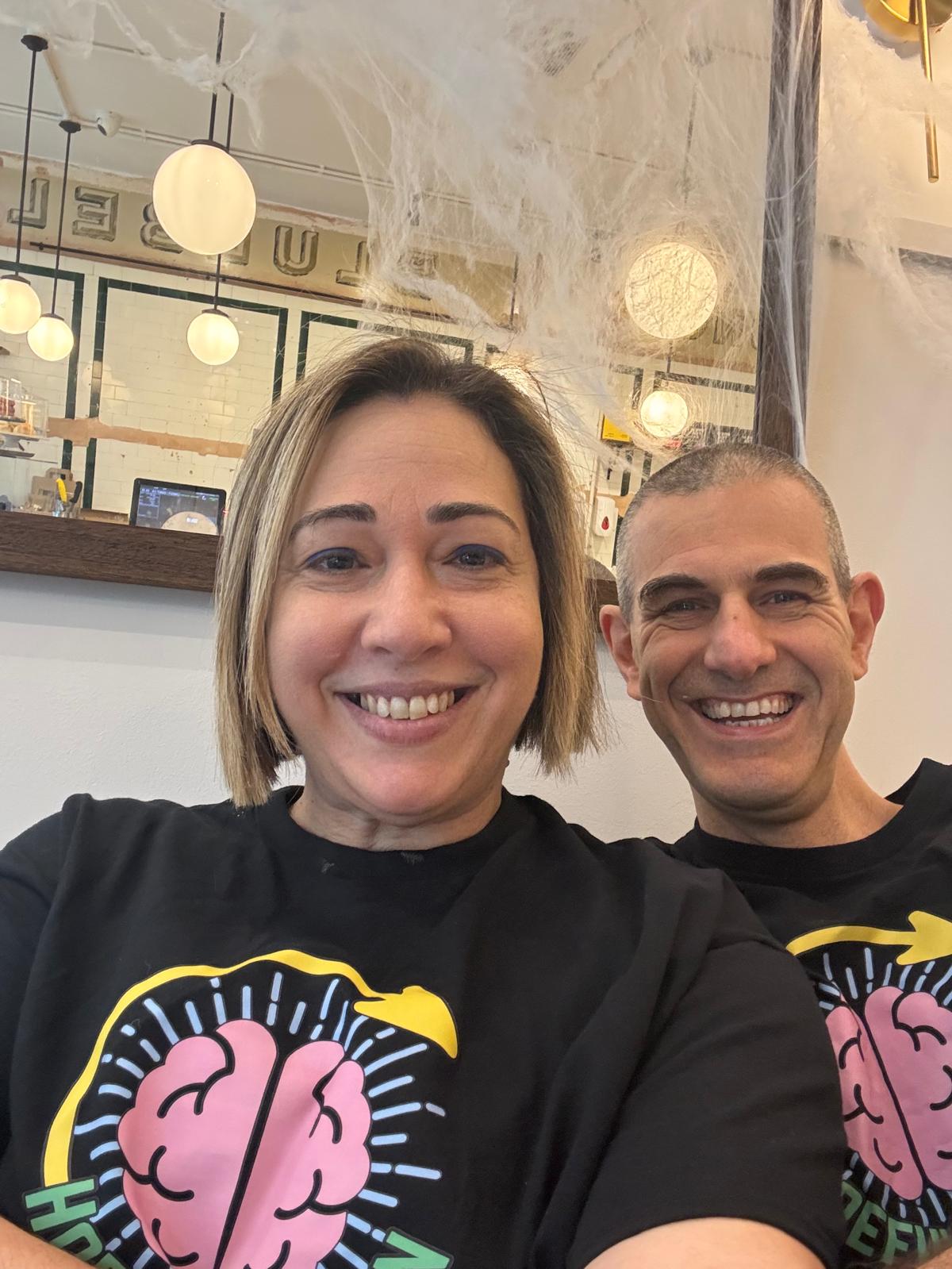 By Adi and Dana Latter, Melillo Method certified practitioners · Updated 14 November 2026
ATNR reflex quick facts
- Also called
- The fencer reflex
- Appears
- Around 18 weeks in the womb
- Usually fades by
- Around 6 months after birth
- What it does
- Links head turning to arm and leg movement, and starts hand and eye coordination
What is ATNR?
Lay a young baby on their back and gently turn their head to one side. The arm and leg on the side they’re facing stretch out. The arm and leg on the other side bend. It looks a bit like a fencer about to lunge, which is why it’s often called the fencer reflex.
This reflex is busy even before birth. It helps with movement in the womb, and some believe it helps with the birth itself. After birth, it’s one of the first links between where a baby looks and what their hand does.
Over the first months, the reflex fades so that a baby can turn their head without their arms moving too. That freedom is what lets them bring both hands together, reach across their body, and later roll and crawl.

What it looks like in a baby
You’ll often see the fencer pose when your baby is lying on their back and looking to one side. By around 6 months it should be hard to spot, as your baby reaches for toys in front of them and brings their hands together.
Signs ATNR may still be active
Some practitioners, including us, see these patterns in children whose ATNR reflex hasn’t fully settled:
- Finds it hard to cross the middle of the body, for example swapping hands halfway across the page
- Turns the paper sideways to write, or presses very hard
- Loses their place when reading, or skips lines
- Struggles to catch or kick a ball
- Wobbles or loses balance when turning their head
- Slow to learn to ride a bike or swim
- Hasn’t settled on a dominant hand, or uses different sides for different tasks
Why it can matter
Reading and writing ask a child to move their eyes and head across the page, while their hand keeps steady. If turning the head still nudges the arm, every line of writing is a small fight. Some children cope by turning the page, twisting their body, or simply avoiding writing altogether.
How we check for it and work with it
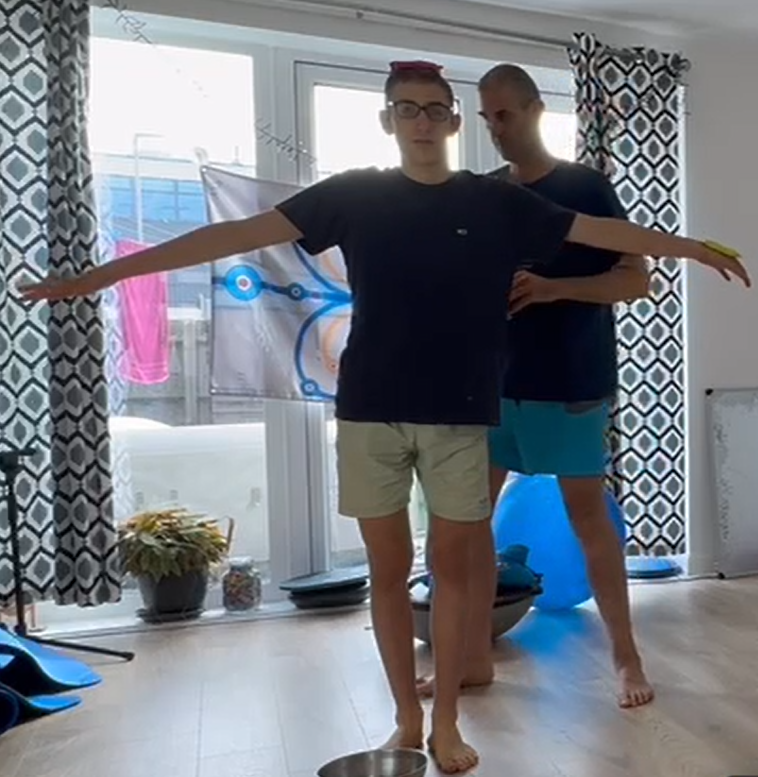
We gently turn your child’s head while they’re on hands and knees or standing with arms out, and watch whether the arms bend or the body shifts. We also look at how they cross the midline, track with their eyes and use each hand.
In the Melillo Method, the ATNR is closely linked to how the left and right sides of the brain and body work together. We look at it alongside balance, eye movements and posture, so that work on reading and handwriting has a stable foundation.
New to the approach? Read our guide to the Melillo Method in the UK.
What you can do at home
These work best done slowly. Speed hides the wobbles.
Lizard crawl
Lying on the tummy, your child turns their head towards one hand while bending the knee on that side, then switches. Slowly, like a lizard creeping along the floor.
Cross crawl marching
March on the spot, touching the right hand to the left knee and the left hand to the right knee. Make it a game with music.
Lazy eights
Draw a big sideways figure of eight on paper or in the air, following the hand with the eyes, without moving the head.
A few minutes every day does more than a long session once a week. Consistency is what makes the difference.
Want a step by step plan?
Our free primitive reflexes course is a full course, not just an intro. It shows you how to work on primitive reflexes at home, step by step, with simple daily routines.
Start the free courseQuestions parents ask about ATNR
What age should the ATNR integrate?
What are the signs of a retained ATNR?
Is ATNR linked to dyslexia?
Is ATNR linked to ADHD?
How can I help the ATNR integrate at home?
This page is general information for parents, written by Adi and Dana Latter, who are not medical doctors. It is not medical advice and does not replace your GP, health visitor, paediatrician or other health professional.
Ready to start?
Our free course is the easiest first step. If you’d rather talk it through, book a free 15 minute call with Adi or Dana and we’ll tell you honestly whether reflex work is worth trying for your child.


