The snout reflex: Why some children chew everything
Drooling, chewing everything, lips that pucker when they concentrate. Here’s what the snout reflex is, how it links to speech, and what can help.
Take the free reflexes course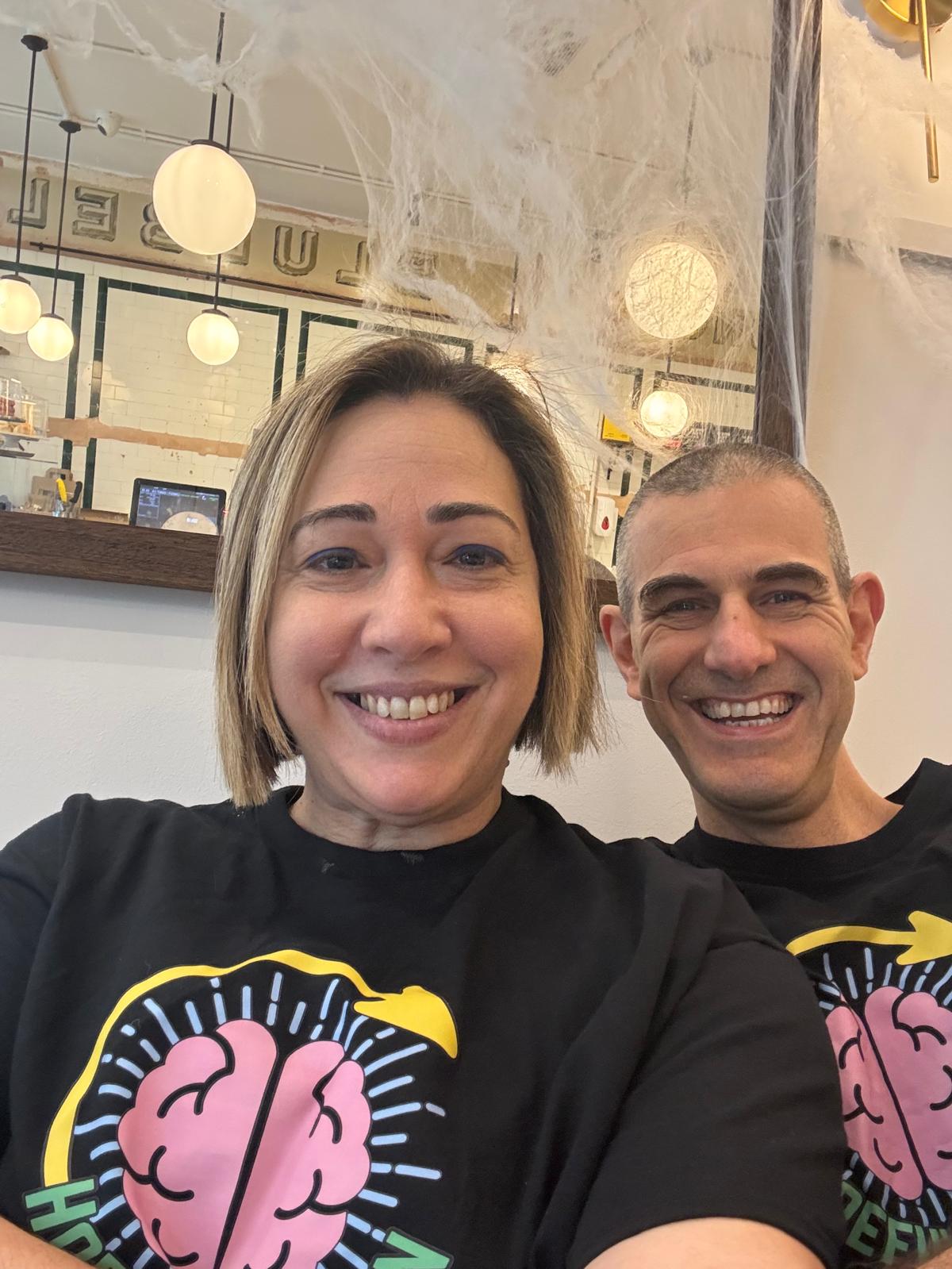 By Adi and Dana Latter, Melillo Method certified practitioners · Updated 14 November 2026
Snout reflex quick facts
- Also called
- The lip reflex
- Appears
- Before birth, present in newborns
- Usually fades by
- During the first year
- What it does
- Purses the lips forward, helping the baby to suck
What is the Snout reflex?
Tap gently above a newborn’s top lip and their lips push forward into a pucker, a bit like a little snout. That’s the snout reflex. It helps a baby seal their lips and suck.
Like rooting and sucking, it’s part of a group of mouth reflexes that make feeding possible from day one. As a baby gains control of their lips and tongue, it fades.
In adults, doctors sometimes check for the snout reflex because it can reappear with certain brain conditions. In children, reflex practitioners look at it in a different way, as part of how the mouth and face have developed.
What it looks like in a baby
You’ll see it when your baby is feeding or when something touches their top lip. As they start eating solids and babbling, the lips become more free to move on their own.
Signs the Snout reflex may still be active
Some practitioners, including us, see these patterns in children whose Snout reflex hasn’t fully settled:
- Chews sleeves, collars, pencils or toys much more than other children their age
- Drools beyond the toddler years
- Puckers or pushes the lips forward when concentrating
- Finds sounds like p, b, m and w hard to make clearly
- Messy eater, or keeps food in the mouth a long time
- Sucks a thumb or clothes
Why it can matter
Chewing and mouthing can be a child’s way of getting input their nervous system needs. It isn’t a bad habit or naughtiness. Some practitioners believe an active snout reflex, along with rooting and sucking, can be part of why the mouth keeps looking for that input.
How we check for it and work with it
We gently touch above the top lip and watch the response. We also look at how your child uses their lips, tongue and jaw, how they chew and swallow, and how the rest of their nervous system is working.
In the Melillo Method, we look at the mouth reflexes together, including snout, rooting and palmar, because they all link the hands, mouth and speech. We also look at the whole nervous system, because constant chewing is often about regulation as much as the mouth.
New to the approach? Read our guide to the Melillo Method in the UK.
What you can do at home
These are fun mouth games. Keep them light and playful.
Fish face and big smile
Suck the cheeks in to make a fish face, then switch to a big wide smile. Back and forth, slowly, five times.
Straw drinks
Drinking a thick smoothie through a straw, or blowing bubbles through one, works the lips hard.
Humming and lip sounds
Hum a song with lips closed, then make popping p and b sounds. Silly games work best.
Safe things to chew
A chewy tube or crunchy snacks give the mouth what it’s looking for, so sleeves and collars get a break.
A few minutes every day does more than a long session once a week. Consistency is what makes the difference.
Want a step by step plan?
Our free primitive reflexes course is a full course, not just an intro. It shows you how to work on primitive reflexes at home, step by step, with simple daily routines.
Start the free courseQuestions parents ask about the Snout reflex
What is the snout reflex?
Why does my child chew everything?
Is the snout reflex linked to speech?
Should I worry if an adult has a snout reflex?
How can I help at home?
This page is general information for parents, written by Adi and Dana Latter, who are not medical doctors. It is not medical advice and does not replace your GP, health visitor, paediatrician or other health professional.
Ready to start?
Our free course is the easiest first step. If you’d rather talk it through, book a free 15 minute call with Adi or Dana and we’ll tell you honestly whether reflex work is worth trying for your child.


